
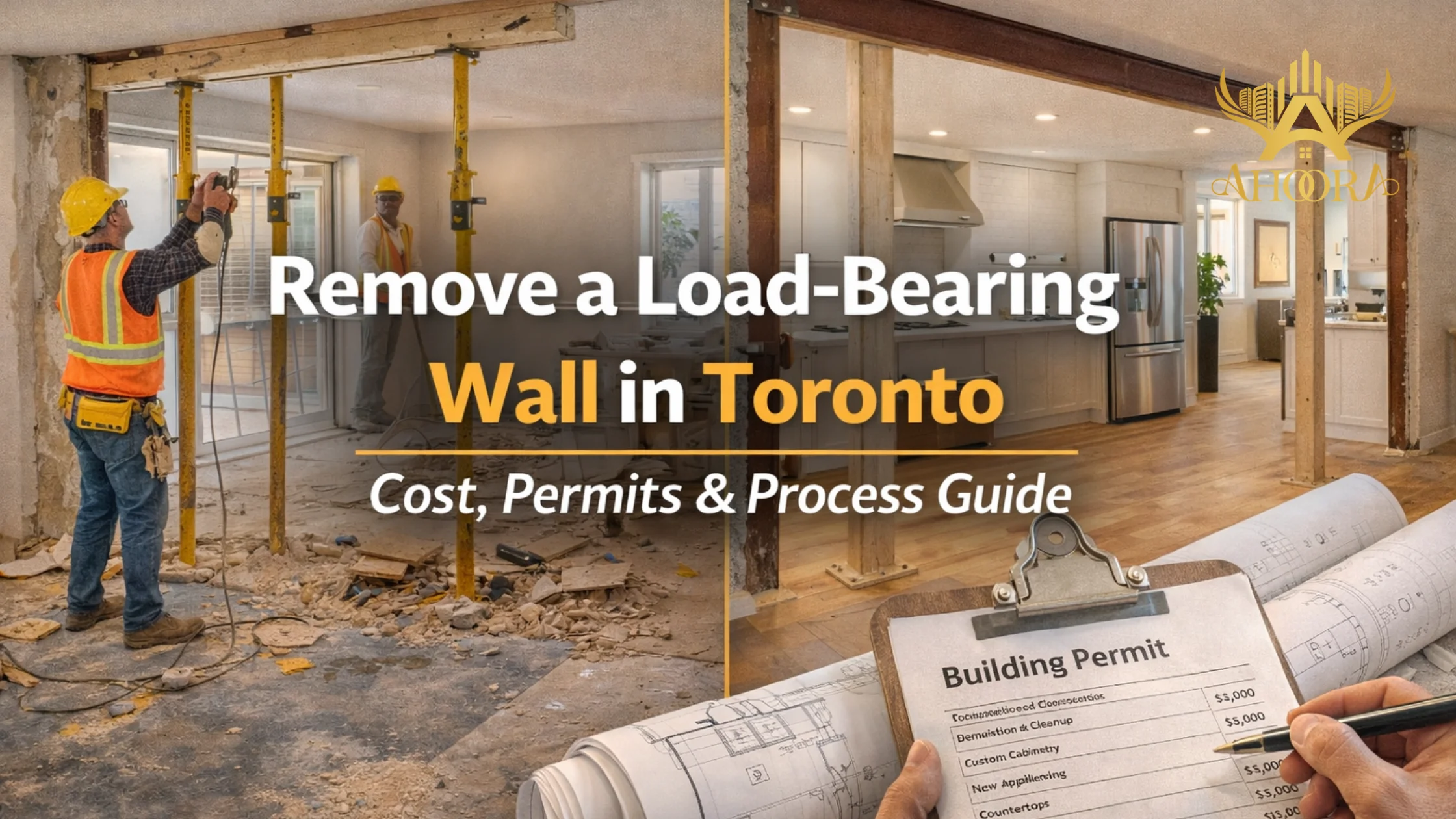
All Toronto homes still have closed layouts that make spaces feel smaller and darker. That is why lots of homeowners plan to remove a load bearing wall in Toronto to create an open, modern layout between the kitchen, dining and living areas. But removing the wrong wall without proper planning can lead to serious structural damage and expensive repairs.
In this guide, you will learn how load-bearing wall removal works, what permits are required in Toronto, the typical cost and the step-by-step process professionals follow. If you are planning an open-concept renovation, this article will help you move forward safely and with confidence.
What Is a Load-Bearing Wall?

A load-bearing wall is a structural wall that supports the weight of the house above it. This weight can include the roof, upper floors, ceiling joists or other structural framing. The wall helps transfer that load safely down to the foundation. Because it plays a key role in the structure, removing it without proper support can weaken the home.
In lots of Toronto houses, load-bearing walls are located near the center of the home or run perpendicular to floor joists. These walls help distribute structural loads across the framing system. When homeowners plan to remove a load bearing wall, contractors usually install a structural beam such as an LVL beam or steel beam to replace the support the wall once provided.
Identifying a structural wall is not always simple. Some walls may look ordinary but still support the structure. This is why structural inspections and engineer drawings are always required before starting load bearing wall removal. A professional assessment ensures the renovation is safe and follows building requirements.
Why Toronto Homeowners Remove Load-Bearing Walls
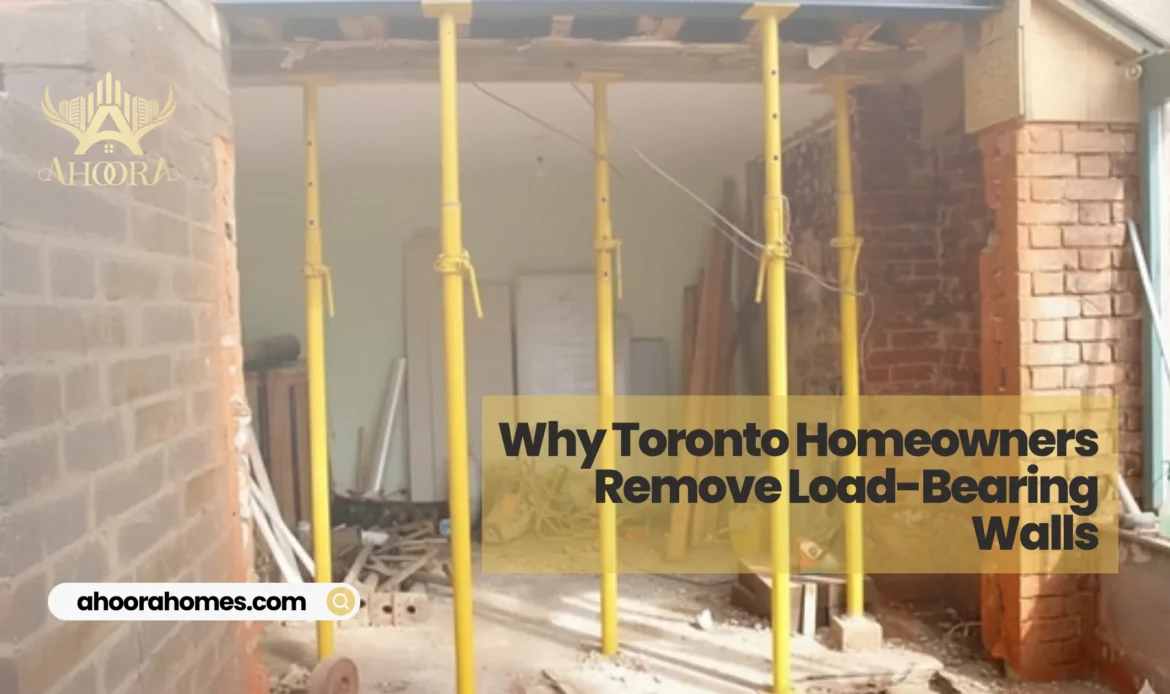
All homeowners remove structural walls to improve how their space looks and functions. Older Toronto homes were always built with separated rooms, which can make the main floor feel closed and less connected. While planning to remove a load bearing wall, homeowners can create a more open layout that allows better movement between living spaces.
Create an Open-Concept Layout
One of the most common reasons for load bearing wall removal is to create an open-concept design. Removing the wall between the kitchen, dining room and living area allows natural light to flow through the space and makes the home feel larger and more modern.
Improve Kitchen Renovations
Kitchen renovations always involve changing the layout of the main floor. Removing a structural wall can provide more space for kitchen islands, cabinets and seating areas. This type of structural change helps homeowners design a more practical kitchen layout.
Increase Property Value
Open layouts are highly desirable in Toronto’s housing market. Homes with larger, connected living areas always attract more buyers. When done safely with proper structural support, removing a load-bearing wall can increase the overall value of the property.
Better Use of Existing Space
Sometimes homeowners simply want better use of the space they already have. Removing certain walls can improve sightlines, make rooms feel less crowded and create a more comfortable living environment. However, before starting any structural wall removal in Toronto, it is important to confirm whether the wall supports the structure and plan the proper beam installation.
Do You Need a Permit to Remove a Load-Bearing Wall in Toronto?
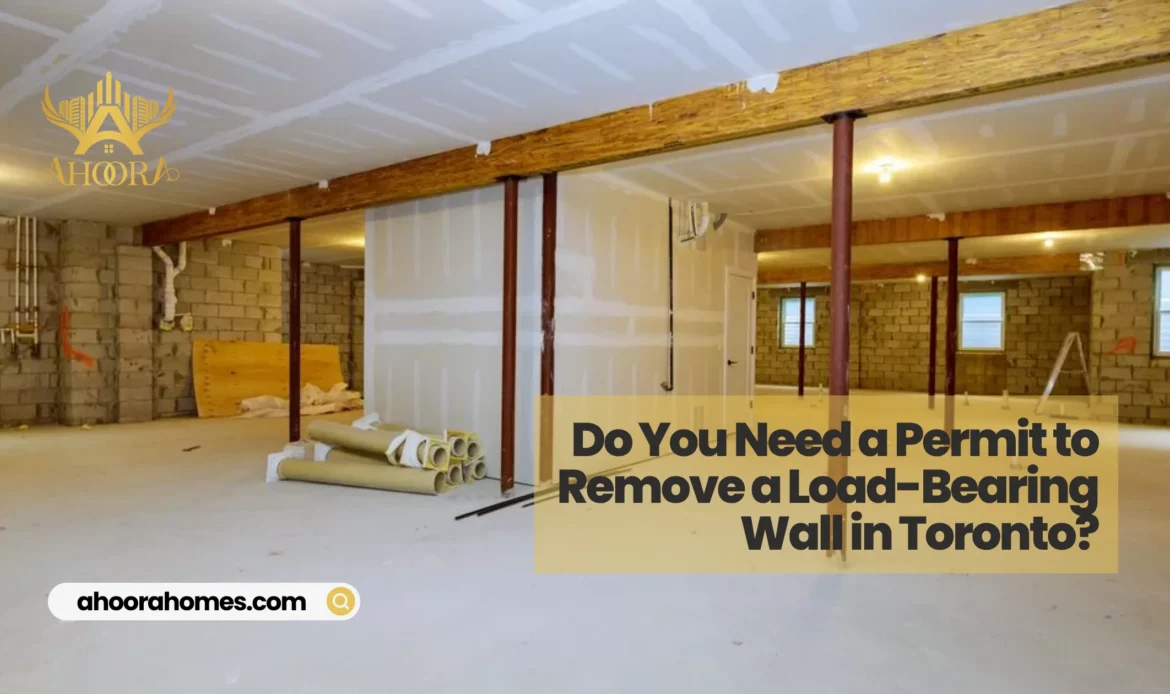
Yes. In most cases, you must get a building permit before starting a structural renovation. If you plan to remove a load bearing wall, the city requires proper approval because the wall supports the structure of the home. Removing it changes how the load is distributed through the framing and foundation.
When a Permit Is Required
A permit is usually required when the project involves structural changes. This includes removing a structural wall, installing a support beam or modifying framing elements. For load bearing wall removal in Toronto, the permit process ensures the renovation follows the Ontario Building Code and meets local safety standards.
What Is Needed for the Permit Application
To apply for a permit, homeowners typically need structural drawings prepared by a licensed structural engineer. These drawings show how the load will be supported after the wall is removed, always through a steel beam or LVL beam installation. The plans are submitted to the City of Toronto for review before work can begin.
Why Permits Are Important
Permits protect both the homeowner and the property. They confirm that the structural work is safe and properly designed. If someone tries to remove a load bearing wall in Toronto without approval, it can lead to fines, failed home inspections and problems during future property sales. Working with experienced renovation contractors and engineers helps ensure the project is completed safely and according to city requirements.
Cost to Remove a Load-Bearing Wall in Toronto
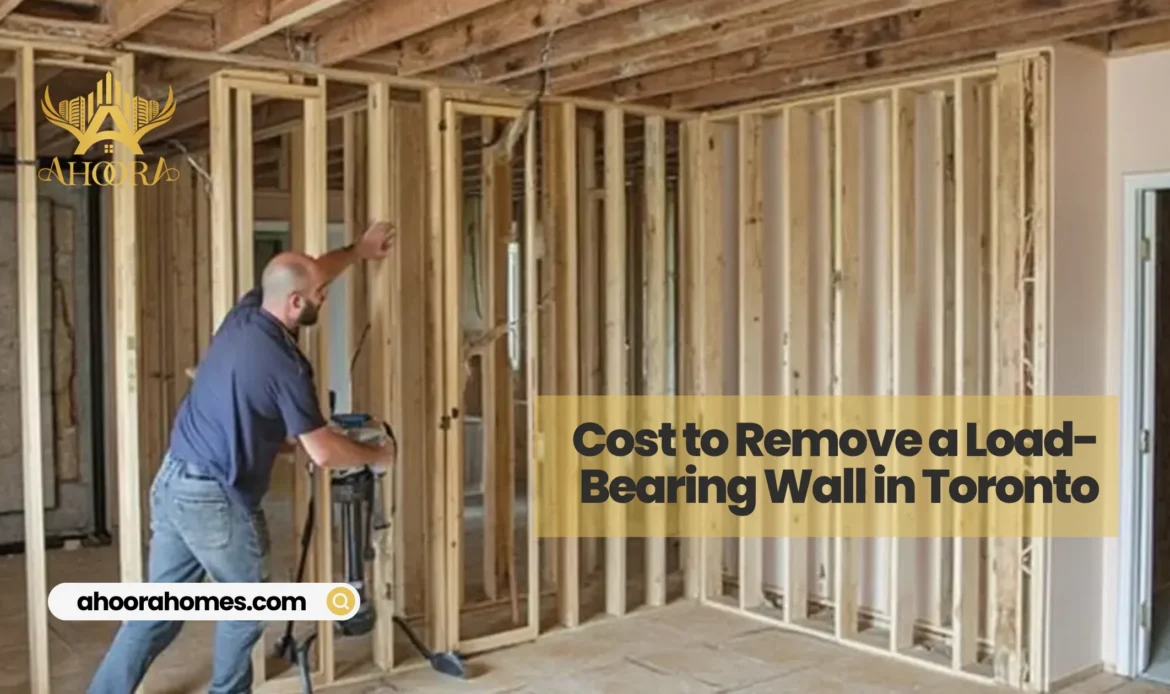
The cost to remove a load-bearing wall in Toronto can vary depending on the size of the wall, the type of structural support required and the complexity of the renovation. In most homes, the total cost typically ranges from $3,000 to $10,000 or more. This price usually includes structural planning, demolition, beam installation and finishing work.
Several elements affect the total cost of load bearing wall removal in Toronto. One of the biggest factors is the type of support beam used after the wall is removed. Contractors always install an LVL beam or a steel beam to carry the structural load. If the wall also contains electrical wiring, plumbing or HVAC ducts, additional work may be needed to relocate those systems.
Another cost factor is the structural planning stage. All projects require a structural engineer inspection and drawings before construction begins. These drawings help ensure the new beam and support posts can safely carry the load of the upper floors or roof. Permit fees from the City of Toronto may also be required as part of the renovation.
Step-by-Step Process to Remove a Load-Bearing Wall
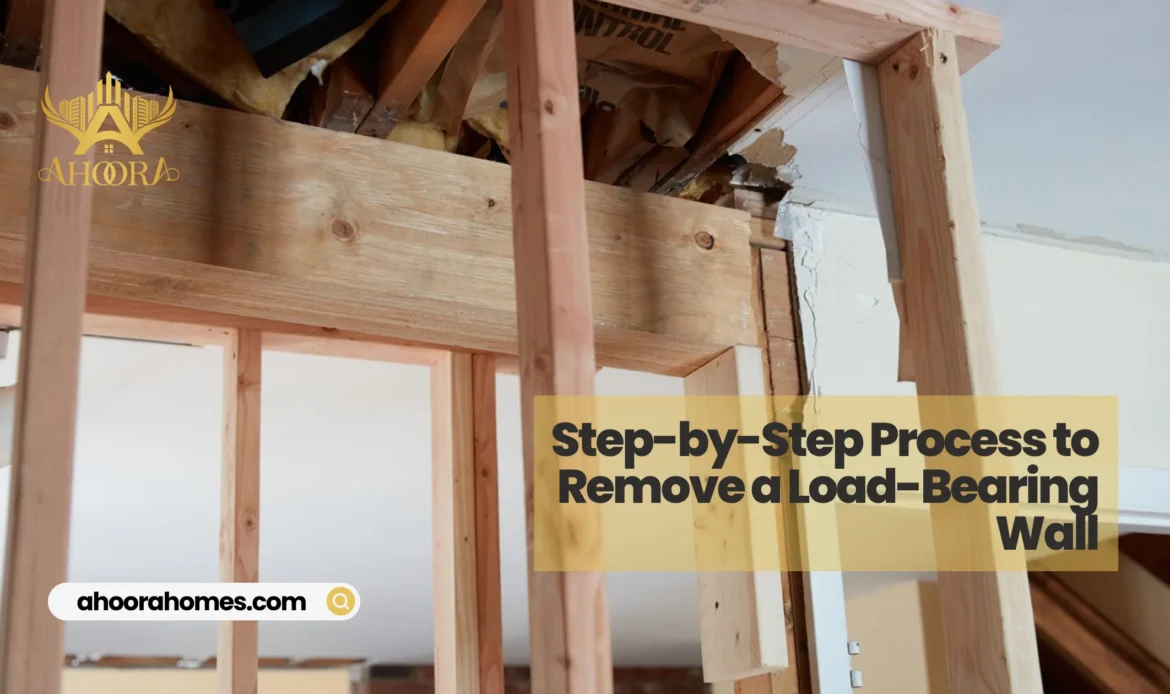
Removing a structural wall requires careful planning and professional work. When homeowners plan to remove a load bearing wall in Toronto, contractors follow a structured process to keep the home safe and compliant with building regulations.
1. Structural Inspection
The first step is a professional inspection. A structural engineer or experienced contractor checks the framing, floor joists and load paths to confirm that the wall supports the structure. This inspection determines what type of beam and supports will be required after the wall is removed.
2. Engineering Drawings and Permit Approval
If the wall is structural, detailed structural drawings are prepared by a licensed engineer. These drawings show the beam size, support posts and load distribution. They are submitted to the city when applying for a permit for load bearing wall removal in Toronto.
3. Install Temporary Supports
Before demolition begins, contractors install temporary support walls on both sides of the structural wall. These supports hold the weight of the upper floors or roof while the original wall is removed.
4. Wall Demolition
Once temporary supports are in place, the drywall, framing and other materials of the wall are carefully removed. This step prepares the space for installing the new structural beam.
5. Beam and Support Installation
A steel beam or LVL beam is installed where the wall used to be. Support posts may also be added at each end to transfer the structural load safely down to the foundation.
6. Inspection and Finishing Work
After the beam installation, the work may be inspected to ensure it meets structural requirements. Contractors then complete finishing work such as drywall, flooring adjustments and ceiling repairs to blend the new open space with the rest of the home.
What Type of Beam Is Used After Removing a Load-Bearing Wall?
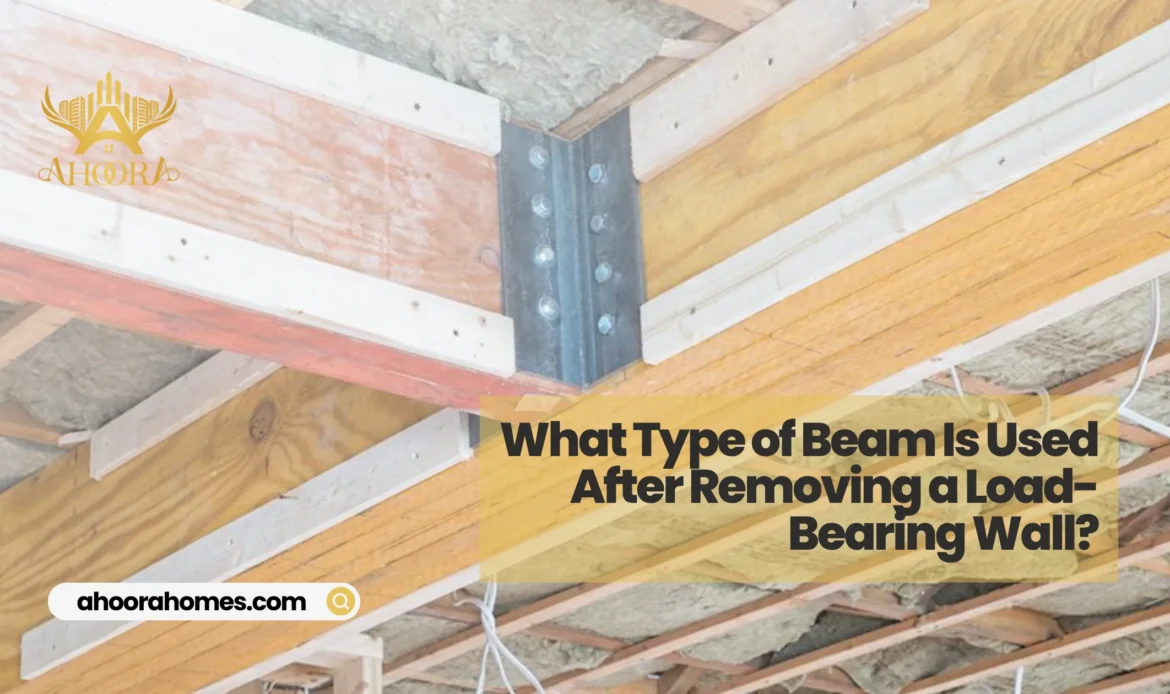
When contractors remove a load bearing wall the structural support must be replaced with a beam that can safely carry the weight of the floors or roof above. The type of beam used depends on the span of the opening, the weight it needs to support and the structure of the home. Structural engineers usually calculate the correct beam size before installation.
LVL (Laminated Veneer Lumber) Beam
An LVL beam is one of the most common choices for residential renovations. It is made from layers of engineered wood that are bonded together to create a strong and stable beam. LVL beams are always used during load bearing wall removal because they are reliable, easier to install and suitable for lots of standard openings inside homes.
Steel Beam
A steel beam is sometimes required when the opening is wider or when the structure carries heavier loads. Steel beams are stronger than wood beams and can support larger spans with fewer support posts. However, they are heavier and may require additional installation work.
Support Posts and Load Transfer
In lots of cases, beams are installed with support posts at each end to transfer the structural load down to the foundation. These posts help distribute the weight safely through the home’s framing system. Before any beam installation, structural drawings are usually prepared to confirm the correct beam type and ensure the renovation remains safe and compliant with building requirements.
Risks of Removing a Load-Bearing Wall Without Professional Help

Trying to remove a load bearing wall without proper planning can create serious structural problems. Load-bearing walls support the weight of floors, ceilings and sometimes the roof. If the wall is removed without installing the correct structural beam or support system, the load may not be distributed properly through the house.
Structural Damage to the Home
One of the biggest risks of improper load bearing wall removal is structural damage. Without the correct beam or support posts, floors above the wall may begin to sag. Over time, this can lead to uneven floors, cracked drywall and damage to ceiling structures.
Safety Risks
Removing a structural wall incorrectly can also create safety concerns. The framing system of the home relies on proper load transfer. If the structure becomes unstable, it may affect other parts of the house and require expensive structural repairs.
Building Code and Permit Issues
Structural renovations must follow the Ontario Building Code and local building regulations. Attempting to remove a load bearing wall without permits or engineer drawings can result in fines, failed inspections and complications when selling the home in the future.
Higher Repair Costs Later
Fixing structural mistakes can cost much more than doing the work correctly the first time. Repairs may involve reinstalling support beams, reinforcing framing or correcting foundation load issues. Working with experienced contractors and structural engineers helps ensure the renovation is completed safely and properly.
Why Structural Wall Removal Requires Experienced Professionals

Structural renovations require skill, planning and proper approvals. When homeowners plan to remove a load bearing wall, the work should always involve experienced professionals who understand structural systems, local permits and safe construction practices. This is important because load-bearing walls support the weight of the home and must be replaced with the correct beam and support system.
Structural Expertise
Experienced contractors and structural engineers know how to evaluate framing, floor joists and load paths. They calculate the right beam size, support posts and load distribution before any demolition begins. This step helps prevent structural damage and ensures the home remains stable after the wall is removed.
Knowledge of Toronto Building Requirements
Professionals are familiar with the Toronto permit process and Ontario Building Code. They prepare structural drawings, submit permit applications and ensure the project meets city regulations. This helps avoid inspection problems and protects the homeowner during future property sales.
Proper Tools and Safe Installation
Removing a structural wall involves temporary supports, beam installation and careful framing adjustments. Skilled renovation teams follow a structured process during load bearing wall removal to keep the structure stable while the new support beam is installed.
Reliable Renovation Planning
Working with experienced professionals also improves project planning. Contractors coordinate with engineers, schedule inspections and manage structural work safely. This approach helps homeowners complete structural renovations smoothly while protecting the long-term integrity of the home.
Planning to Remove a Load-Bearing Wall in Toronto? Work With Ahoora Homes

If you are planning to remove a load bearing wall in Toronto, working with experienced renovation professionals can make the process much smoother and safer. Structural wall removal requires proper planning, structural drawings, permit approvals and skilled installation of support beams. Without the right guidance, homeowners may face delays, structural issues or permit problems.
At Ahoora Homes, our team helps homeowners handle every stage of load bearing wall removal in Toronto. We begin with careful planning and work closely with structural engineers to ensure the correct beam and support system are used. Our team also helps guide homeowners through the permit process and ensures the renovation follows Toronto building regulations.
If you are considering a structural renovation or planning to create an open concept layout, Ahoora Homes provides trusted home renovation services across Toronto and the GTA, including North York, Richmond Hill and Aurora. Get Free Quote today.
Frequently Asked Questions About Load-Bearing Wall Removal
-
How much does it cost to remove a load-bearing wall in Toronto?
The cost to remove a load bearing wall in Toronto typically ranges between $3,000 and $10,000 or more. The final price depends on factors such as the wall size, beam type, structural complexity and whether plumbing, electrical or HVAC systems are inside the wall.
-
Do you need a permit to remove a load-bearing wall in Toronto?
Yes. In most cases, a building permit is required because removing a structural wall changes the load distribution of the house. The City of Toronto usually requires structural engineer drawings and permit approval before the work can begin.
-
How can you tell if a wall is load bearing?
A wall may be load bearing if it runs perpendicular to floor joists, sits near the center of the house or supports beams and posts above it. However, the safest way to confirm is through a structural inspection by an engineer or experienced contractor.
-
What type of beam replaces a load-bearing wall?
When contractors remove a load bearing wall in Toronto, they usually install an LVL beam or a steel beam to support the weight of the structure. The correct beam size and type are determined through structural calculations.
-
How long does it take to remove a load-bearing wall?
The construction work itself usually takes two to five days, depending on the complexity of the project. However, the full process including engineering drawings and permit approval can take a few weeks before construction begins.