
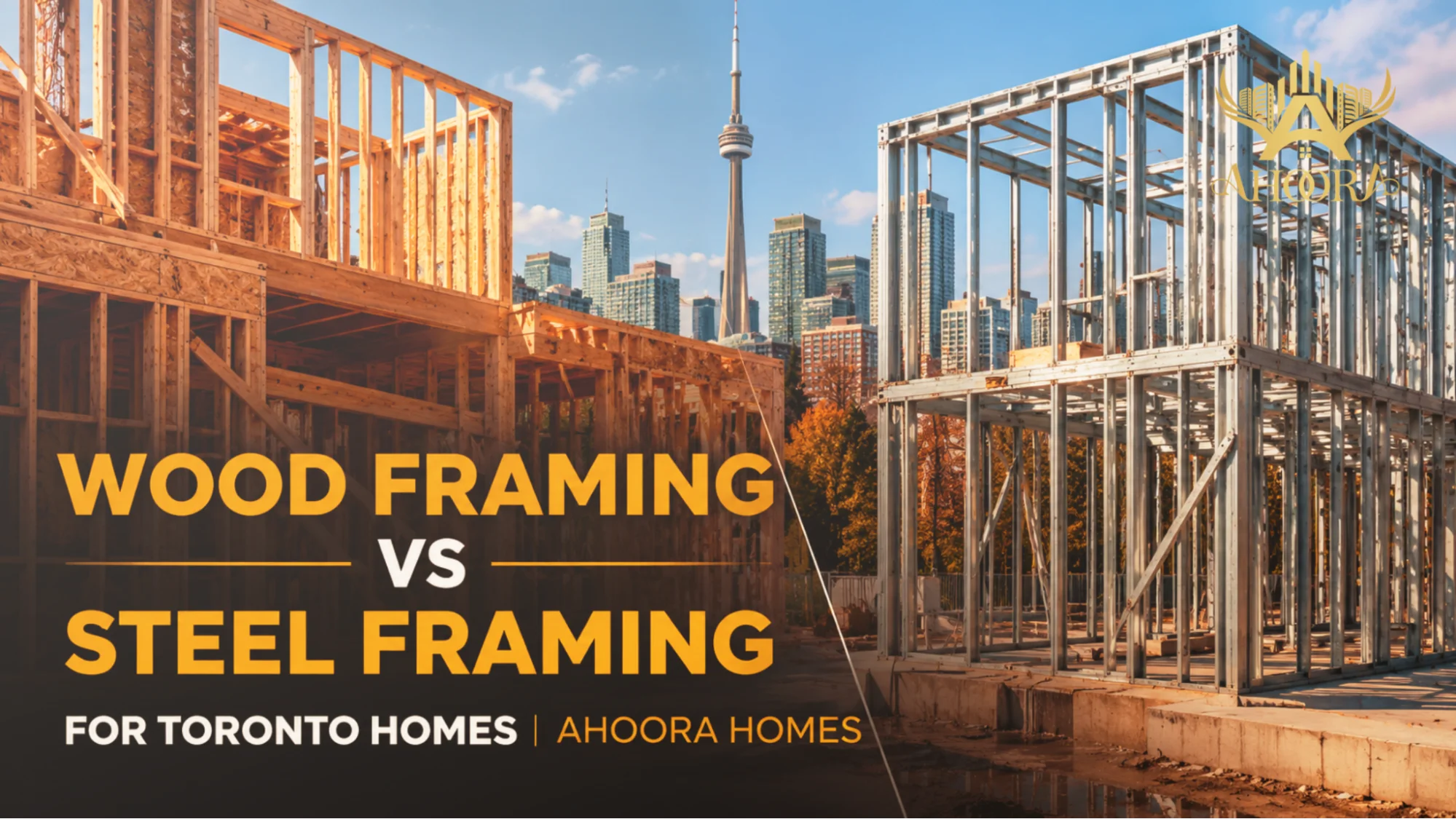
Building or renovating a home in Toronto is expensive and the wrong framing choice can lead to moisture problems, higher heating bills or costly repairs later. That’s why homeowners always spend time comparing lumber framing and steel studs before starting a renovation.
Traditional wood framing is still common across Toronto because it’s affordable, easy to work with and performs well during Canadian winters. Steel framing has become more famous in basement renovations and modern homes because it handles moisture, mold and fire better. This guide explains the real differences so you can make a smarter decision before construction begins.
Wood Framing vs Steel Framing: What’s the Difference?
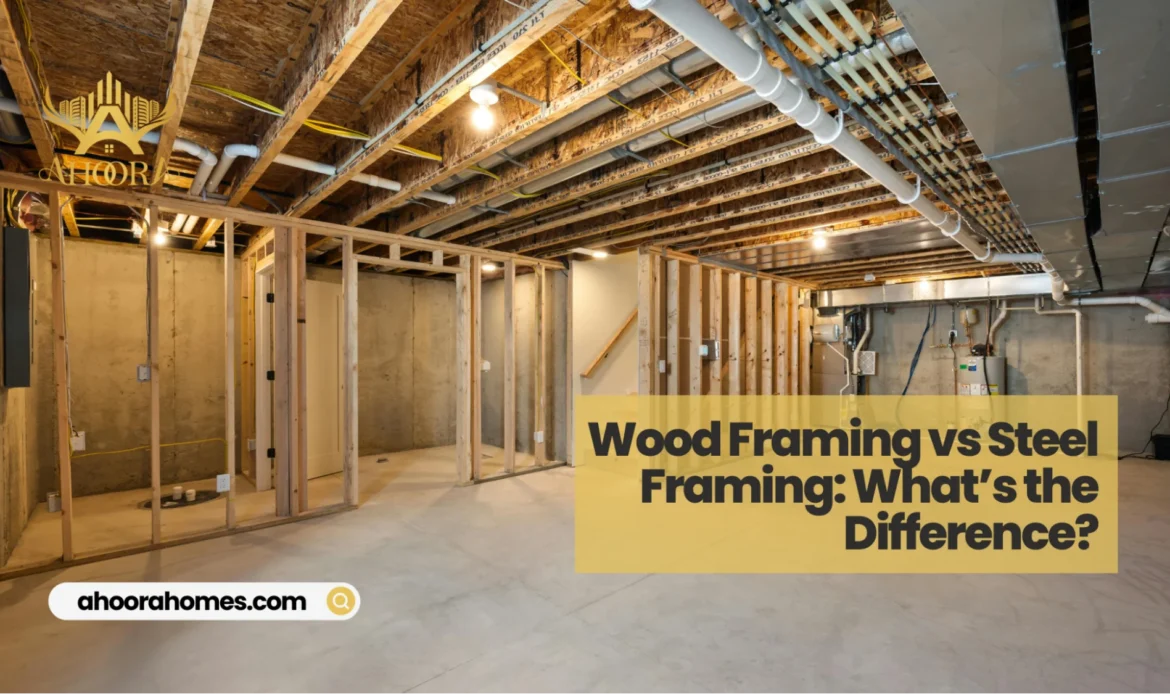
At the end of the day, it all comes down to the type of material you’re using inside the walls. In a wood-framed house you’ll find lumber studs, in a steel framed one you’ll have light-gauge galvanized steel studs and tracks.
Most older Toronto homes were built with lumber framing because it was widely available and easier to install. Contractors still use wood regularly for remodelling projects since adjustments during construction are faster and less expensive.
Steel framing is becoming most common in modern residential construction because metal studs resist moisture, mold, termites and structural movement better than wood. They also stay straighter over time and are always used in basements or moisture-prone spaces.
| Feature | Wood Framing | Steel Framing |
| Material | Lumber studs | Galvanized steel studs |
| Upfront Cost | Lower | Higher |
| Moisture Resistance | Moderate | Strong |
| Fire Resistance | Lower | Higher |
| Thermal Resistance | Better natural insulation | Requires additional insulation |
| Remodeling Flexibility | Easier to modify | More difficult to adjust |
| Structural Stability | Can shift over time | Stays straighter longer |
Pros and Cons of Wood Framing
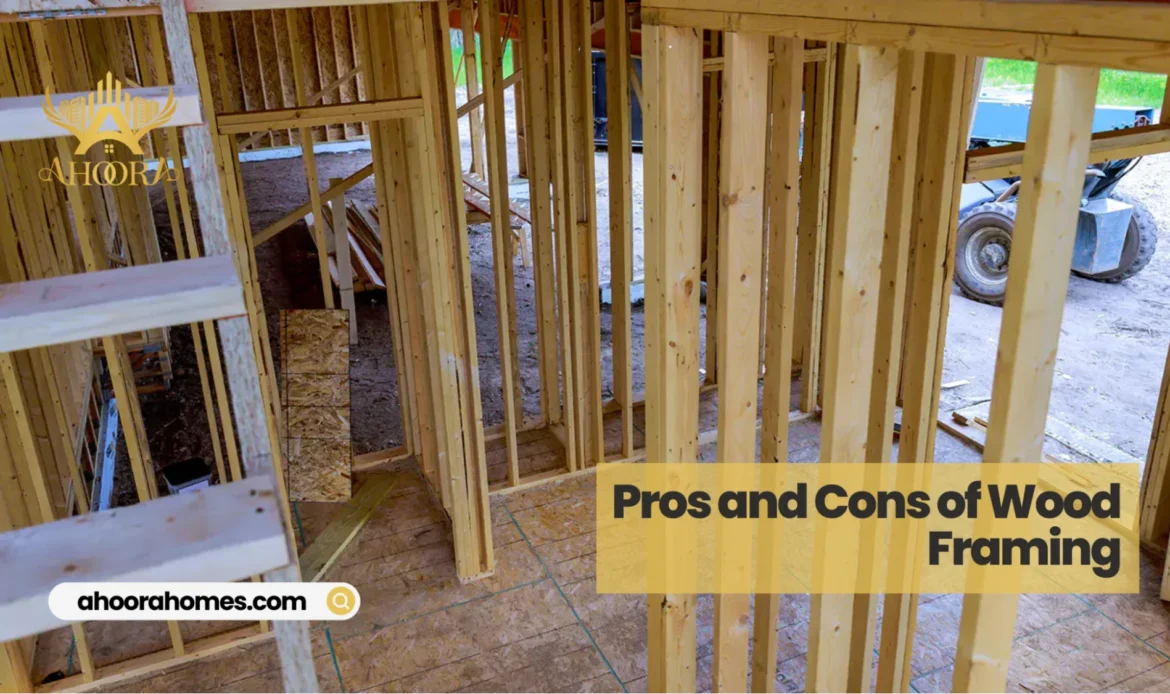
Wood framing remains one of the most widely used construction methods in Toronto and the GTA. It works especially well for home additions, open-concept remodels and projects where flexibility during construction matters.
Pros of Wood Framing
- Lower upfront cost, which helps reduce renovation expenses
- Easier to cut and modify during remodeling projects
- Better natural insulation and thermal resistance during winter
- Faster installation for most residential framing contractors
- Readily available across Canada with lower material delays
Cons of Wood Framing
- Can absorb moisture and develop mold if ventilation is poor
- Vulnerable to termites, rot, and long-term water damage
- May shrink, crack, or warp with humidity changes
- Lower fire resistance compared to steel studs
In older Toronto homes, it’s common to find moisture damage around basement framing near exterior foundation walls. That’s why proper waterproofing and vapour barriers are important when using lumber in lower-level renovations.
Pros and Cons of Steel Framing
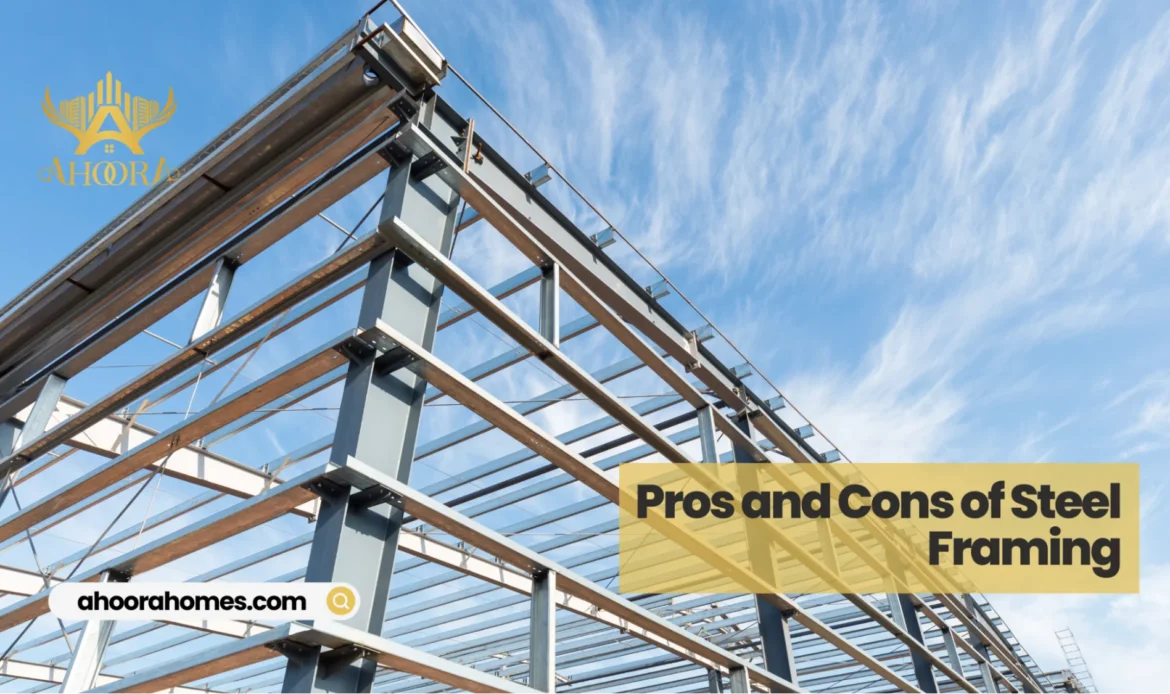
Steel studs are becoming more common in custom homes, basement renovations and modern remodeling projects where durability matters more than upfront cost.
Pros of Steel Framing
- Resistant to moisture, mold, and water damage
- Will not attract termites or pests over time
- Non-combustible, which improves fire resistance
- Maintains structural stability without warping or shrinking
- Strong option for damp basements and load-bearing wall systems
Cons of Steel Framing
- Higher material and labour costs compared to lumber
- Requires specialized tools and experienced installers
- Conducts heat faster than wood without proper insulation
- Harder to adjust during future remodeling work
Contractors always recommend steel studs in homes with previous water damage because the material stays stable even during seasonal humidity changes.
Cost Comparison for Toronto Renovations
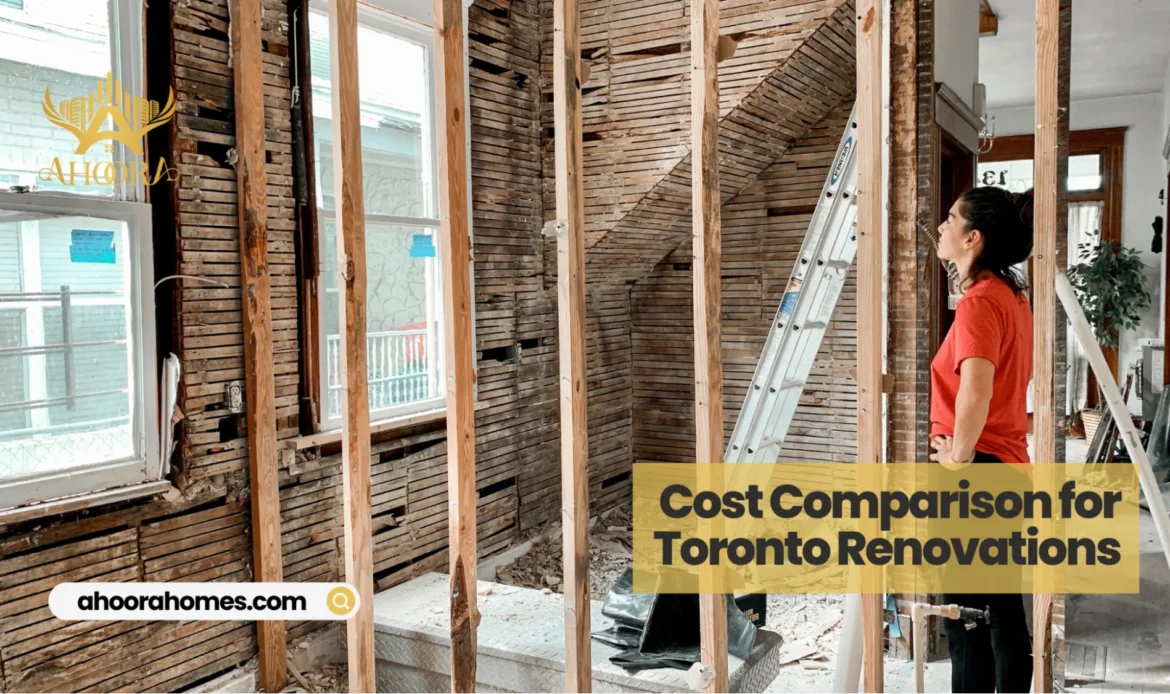
Cost is one of the biggest deciding factors during renovation planning. Based on recent residential projects across Toronto and the GTA, lumber framing typically ranges between $18 and $35 per square foot, while steel framing usually ranges between $25 and $45 per square foot depending on insulation requirements, labour, and structural work.
| Cost Factor | Lumber Framing | Steel Framing |
| Material Cost | Lower | Higher |
| Labour Cost | Lower | Higher |
| Installation Time | Faster | Slower |
| Moisture Repair Risk | Higher over time | Lower |
| Insulation Requirements | Standard | always requires added insulation |
| Long-Term Maintenance | More maintenance possible | Lower maintenance |
Steel framing costs more because installation requires specialized tools and experienced contractors. Additional insulation may also be needed to reduce thermal bridging and heat loss during Toronto winters.
For quick remodeling projects or budget-focused renovations, lumber framing is always the more practical option. In damp basements or homes with recurring moisture problems, steel framing usually provides better long-term value.
Which Material Lasts Longer?
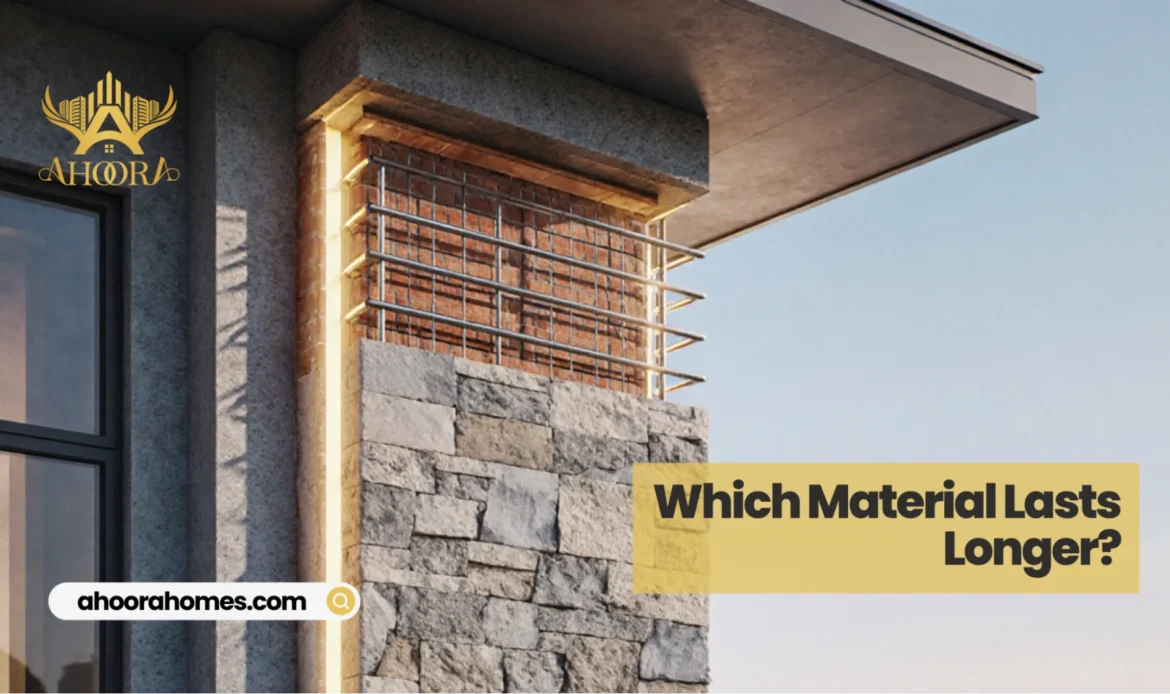
Steel framing generally lasts longer because it resists mold, moisture, termites and structural movement better than wood. Metal studs stay straight and stable for decades without shrinking or twisting.
Wood framing can also last a very long time when moisture is controlled properly. However, in older Toronto homes, water leaks and basement humidity always weaken lumber framing over time.
| Durability Factor | Wood | Steel |
| Moisture Resistance | Moderate | Strong |
| Mold Risk | Higher | Lower |
| Pest Damage | Possible | Rare |
| Warping | Can happen over time | Minimal |
| Maintenance Needs | Higher | Lower |
During basement renovations in older Toronto neighbourhoods, contractors always find warped lumber behind finished walls where moisture has been trapped for years.
Which Option Performs Better During Toronto Winters?
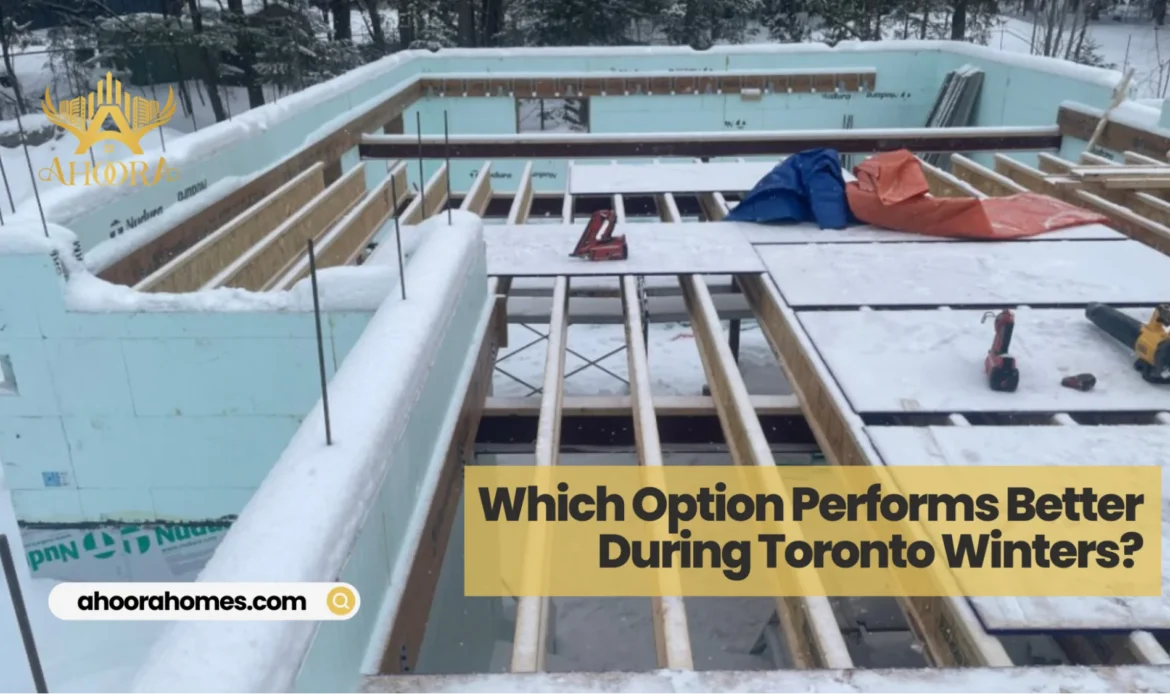
Toronto winters create constant temperature and humidity changes inside homes. Insulation performance becomes especially important during long cold seasons when heating costs increase.
Wood naturally slows heat transfer, which gives it better thermal resistance and R-value performance than steel. This helps reduce energy loss through exterior wall systems.
Steel studs are stronger against moisture and structural movement, but metal transfers heat faster than lumber. Without proper insulation and vapour barriers, thermal bridging may increase heating costs.
| Winter Performance | Wood | Steel |
| Natural Insulation | Better | Lower |
| Heat Transfer | Slower | Faster |
| Thermal Bridging Risk | Lower | Higher |
| Energy Efficiency | Better naturally | Depends on insulation quality |
Homes in older Toronto neighbourhoods with limited wall insulation always experience noticeable heat loss around steel framing if insulation upgrades are not included during renovations.
Moisture, Mold, and Basement Protection
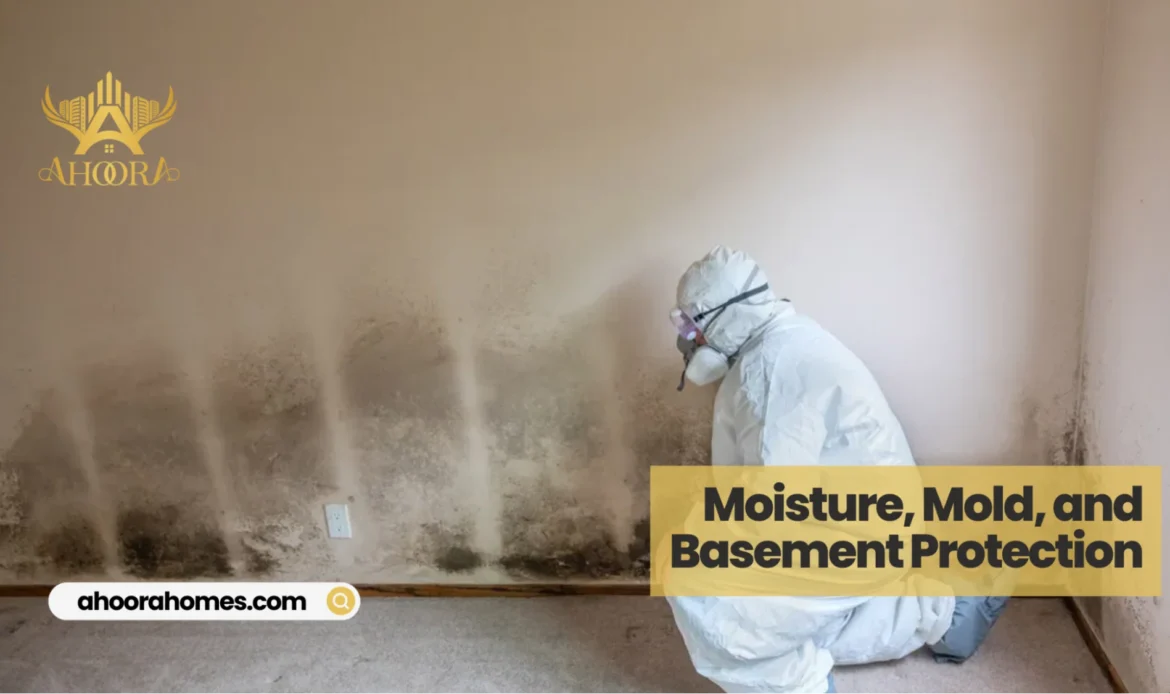
Basement moisture is a common problem across Toronto, especially in homes built before the 1980s. Seasonal humidity and foundation condensation can slowly damage framing materials hidden behind drywall.
Lumber framing absorbs moisture over time, which may lead to:
- mold growth
- wood rot
- warped wall studs
- weakened structural support
Steel studs resist water damage much better because metal does not absorb moisture like wood. That’s one reason steel framing has become popular in basement finishing projects and lower-level remodels.
Proper waterproofing, airflow, insulation, and vapour barriers still matter regardless of the framing material used.
Fire Resistance and Home Safety
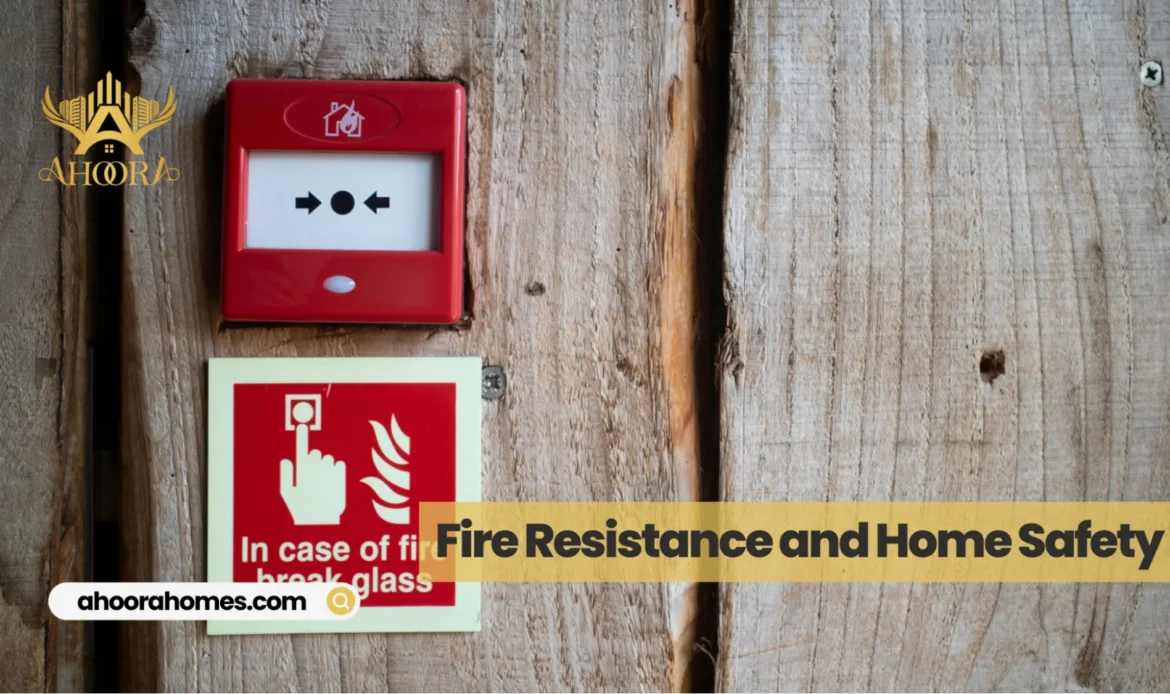
Steel framing provides better fire resistance because it does not ignite or feed flames during a fire. This helps slow fire spread inside structural wall systems.
Wood framing is still fully approved under Canadian building code requirements, but lumber weakens faster when exposed to high heat.
| Fire Safety Factor | Wood | Steel |
| Combustibility | Burns | Non-combustible |
| Fire Spread | Faster | Slower |
| Structural Stability During Fire | Lower | Better |
No framing system makes a home completely fireproof, but steel framing adds another layer of protection when combined with fire-rated drywall and proper insulation systems.
Best Choice for Basement Renovations

Basement renovations always deal with moisture, humidity, and colder temperatures compared to upper floors. That’s why steel studs are commonly recommended for lower-level remodeling projects across Toronto.
Lumber framing is still used in dry basements because it costs less and provides better natural insulation. However, homes with previous water leaks or damp foundation walls usually benefit more from steel framing.
In Almost all older Toronto basements, contractors find hidden moisture damage behind finished walls during demolition. Steel studs help reduce the risk of future rot or mold problems in these situations.
Common Problems Homeowners Should Know About

Every framing material comes with trade-offs, and understanding them early can prevent expensive repairs later.
Wood framing may develop mold, moisture damage, or warping if water enters the wall system. Poor airflow and missing vapour barriers always make these problems worse in older homes.
Steel framing handles moisture much better, but metal transfers heat quickly. Without proper insulation upgrades, thermal bridging may increase heat loss around exterior walls during winter.
Most framing problems happen because of poor installation, weak waterproofing, or outdated insulation systems rather than the material alone.
Why Toronto Homeowners Trust Ahoora Homes

Ahoora Homes works with homeowners across Toronto, North York, Richmond Hill, Aurora, and nearby GTA communities on basement renovations, structural remodeling and full home updates.
The team helps clients select framing materials based on real conditions inside the home, with moisture exposure, insulation performance, load-bearing wall requirements and long-term durability.
During renovation projects in older Toronto homes, hidden issues behind existing drywall are common. That’s why Ahoora Homes focuses on careful planning, honest recommendations and practical solutions designed for Canadian homes and changing weather conditions.
Frequently Asked Questions
-
Is steel framing better than lumber framing for Toronto homes?
Steel framing is better for moisture resistance, mold protection, and fire safety. Lumber framing is more affordable, easier to renovate, and provides better natural insulation during Toronto winters.
-
Which framing material lasts longer?
Steel framing usually lasts longer because it resists moisture, pests, shrinking, and warping better than wood framing. Lumber can also last for decades when moisture is properly controlled.
-
Is steel framing more expensive?
Yes. In most Toronto renovation projects, steel framing costs more because of higher material prices, specialized labour, and additional insulation requirements.
-
What works better for basement renovations?
Steel studs are always the better option for basement renovations because they handle moisture and humidity better than lumber framing. They also reduce the risk of mold and water-related damage over time.
-
Which material provides better insulation?
Wood framing provides better natural thermal resistance and helps reduce heat transfer during cold Canadian winters. Steel framing may require additional insulation to improve energy efficiency.