
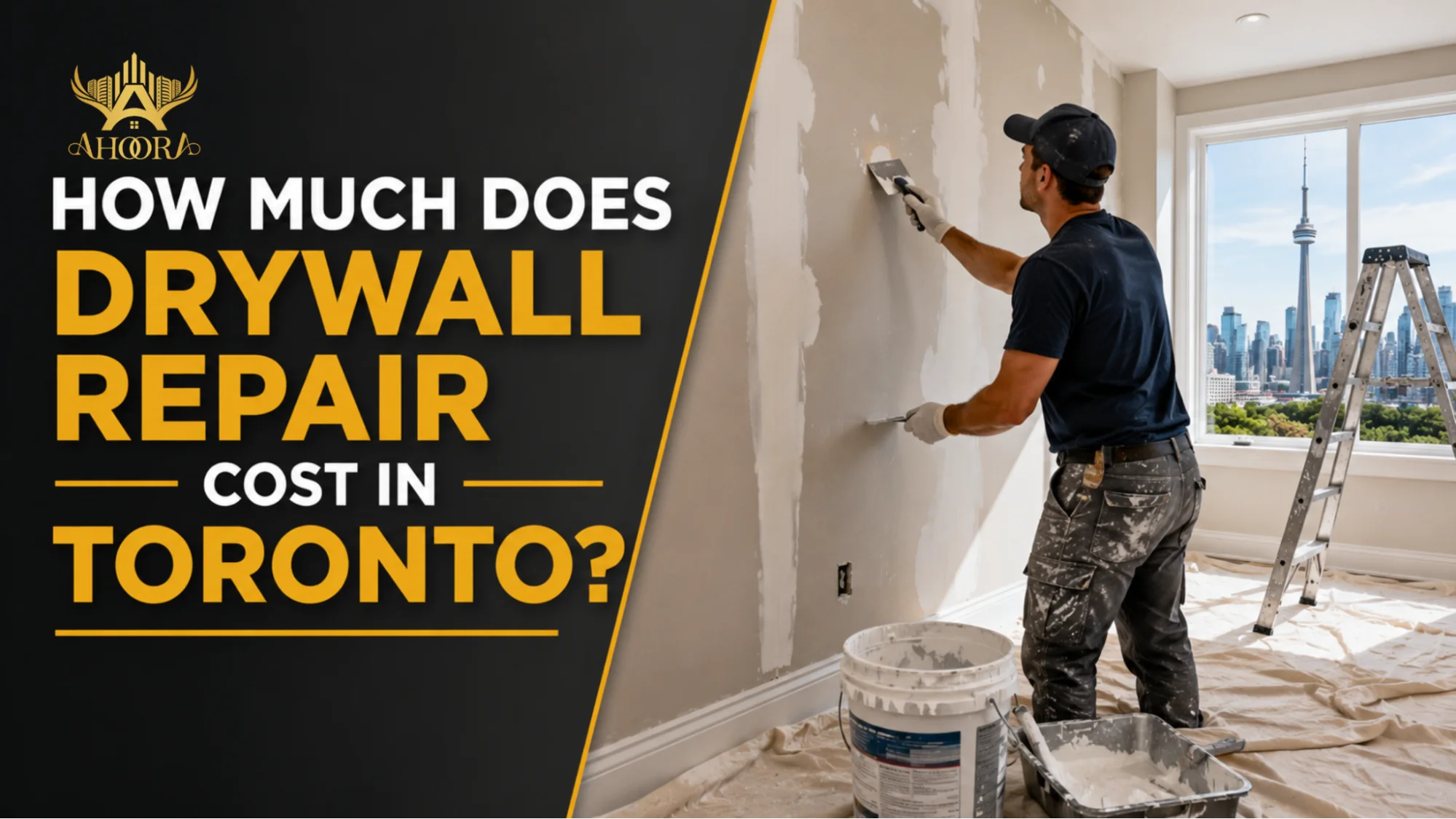
Cracks in the wall, water stains on the ceiling or holes from old repairs can make a home feel worn out fast. The frustrating part is not always the damage itself. Most people struggle to figure out what drywall repairs actually cost and why quotes can vary so much across Toronto.
If you are wondering how much drywall repair costs in Toronto, this guide breaks it down in simple terms. You’ll learn what affects pricing, when repairs make more sense than replacement, and what to expect before work begins inside your home.
Average Drywall Repair Costs in Toronto
Drywall repair prices in Toronto can range from a quick wall patch to several thousand dollars for major ceiling or water damage. The final cost depends on the repair size, wall condition, finish quality and how much sanding or repainting is required afterward.
Most repairs in Toronto fall between $150 and $1,500. Smaller cosmetic fixes cost far less than damaged ceilings or large drywall replacements.
Average Drywall Repair Price Range
| Type of Repair | Average Cost in Toronto |
| Small holes or dents | $150 to $350 |
| Medium wall repairs | $350 to $800 |
| Ceiling crack repairs | $400 to $1,200 |
| Water-damaged drywall | $500 to $2,000+ |
| Full drywall section replacement | $1,000 to $4,000+ |
These prices usually include labor, drywall compound, sanding and basic cleanup. Painting is always priced separately.
Cost Per Square Foot for Drywall Repairs
Some contractors price repairs by square footage instead of a flat rate. In Toronto, drywall patching and finishing typically costs between $4 and $12 per square foot.
Simple repairs stay near the lower end of the range. Ceiling work, textured finishes, or water-damaged walls usually cost more because they require extra coats of joint compound and more detailed sanding.
Why Small Repairs Still Have Minimum Charges
A tiny patch still requires travel time, floor protection, dust control, sanding and cleanup. That is why almost all contractors charge a minimum service fee even for minor drywall repairs.
In older homes around East York and Riverdale, matching older wall textures or previous patchwork can also add time to the repair.
Drywall Repair Costs by Type of Damage
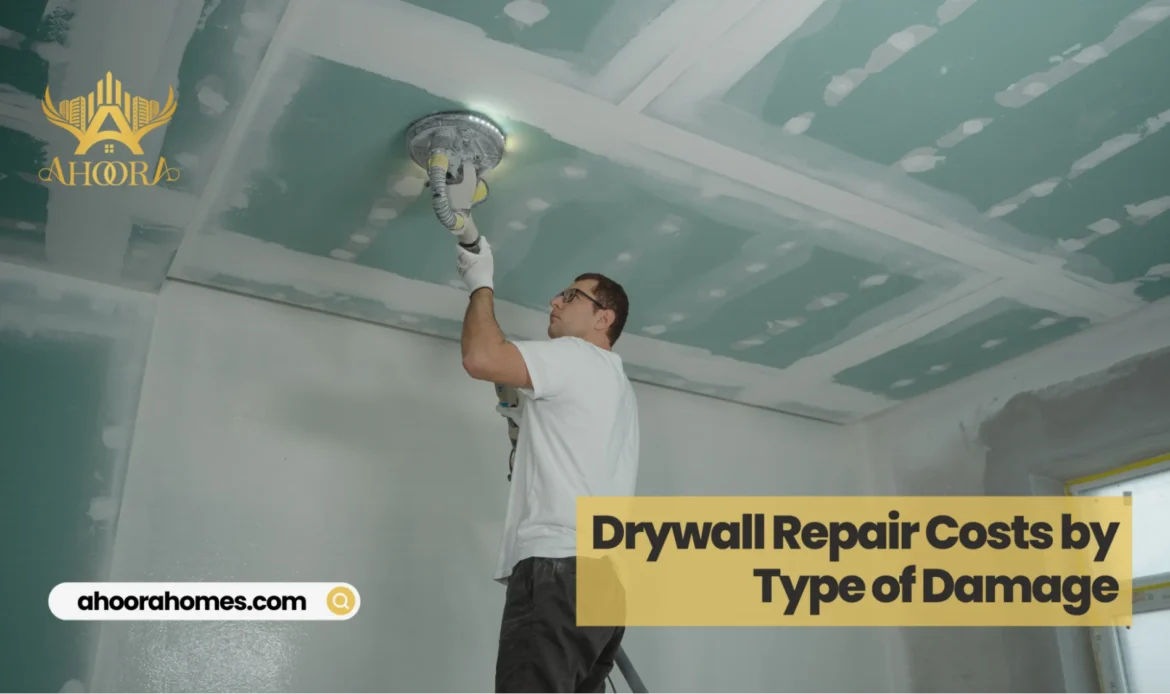
The type of damage has a major impact on repair pricing. Surface dents are usually quick fixes, while water damage and ceiling repairs always require more labor and materials.
Small Holes and Minor Dents
Small holes from wall anchors, moving furniture or door handles are the least expensive repairs. Most patch jobs cost between $150 and $350.
Contractors usually repair these areas using a drywall patch, mesh tape, and two or three coats of compound before sanding and repainting.
Drywall Crack Repairs
Hairline cracks are common in Toronto homes during seasonal temperature changes. Repairs usually range from $250 to $800 depending on the crack length and whether movement behind the wall is still active.
In older homes with plaster walls, contractors may apply a skim coat over a wider area to help the repair blend properly.
Water-Damaged Drywall Repairs
Water damage is one of the most expensive drywall problems because the affected material always needs full removal. Wet drywall can always crumble, or develop mold behind the surface.
| Water Damage Repair Type | Average Cost |
| Small stained section | $500 to $900 |
| Moderate wall damage | $900 to $2,000 |
| Ceiling water damage | $1,200 to $3,500+ |
Ceiling leaks in North York basements are especially common after heavy spring thaw periods or plumbing failures around upper-floor bathrooms.
Large Section Drywall Replacement
Some walls are too damaged for patching alone. Mold growth, sagging drywall, or crumbling plaster always requires replacing entire sections.
These projects usually involve demolition, new drywall sheets, drywall screws, paper tape, compound application, sanding, and repainting.
Seam and Joint Repairs
Loose drywall tape and visible seams can make walls look uneven under natural light. Most seam repairs cost between $300 and $1,200 depending on how much feathering and refinishing is needed.
Poorly finished seams always become more visible after fresh paint because the repaired surface reflects light differently.
Textured Ceiling Repairs
Textured ceilings take longer to repair because the new patch must blend with the surrounding texture. Popcorn ceilings and orange peel finishes are especially difficult to match perfectly.
In almost all cases, contractors recommend repainting the full ceiling after the repair so the patched area does not stand out.
Drywall Repair vs Replacement: Which Costs More?
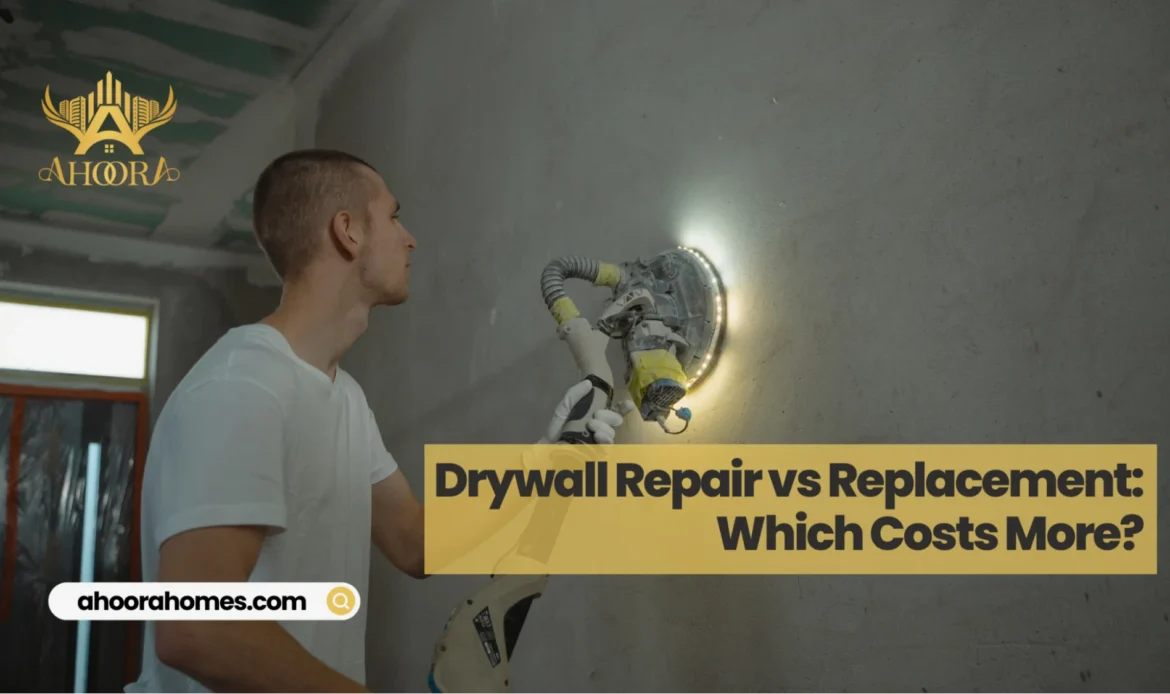
Repairing drywall usually costs less than replacing it. Small cracks, dents, and isolated holes can always be patched without removing large wall sections.
Replacement costs more because it includes demolition, disposal, new drywall installation, taping, mudding, sanding and repainting.
When Repairs Make More Sense
Repairs are usually enough when the damage is limited to one area and the drywall is still structurally solid. Nail pops, minor cracks, and small plumbing access holes are common examples.
Most quick repairs can be completed without opening the entire wall.
When Replacement Is the Better Option
Some damage goes beyond a basic patch job. Soft drywall, repeated cracking, mold growth or large water stains always require full replacement.
In older homes near The Annex, contractors sometimes uncover multiple renovation layers behind the wall, including plaster over wood lath and uneven framing.
Repair vs Replacement Cost Comparison
| Project Type | Average Cost in Toronto |
| Small drywall repair | $150 to $350 |
| Medium wall repair | $350 to $800 |
| Large patch repair | $800 to $1,500 |
| Partial drywall replacement | $1,000 to $4,000+ |
| Full room drywall replacement | $3,500 to $10,000+ |
The final price depends on wall size, finish level, and whether repainting is included.
What Contractors always Recommend
Contractors usually try to repair isolated damage first because it creates less dust and disruption inside the home. Full replacement is more common when moisture or structural movement continues behind the wall.
Repeated repairs on the same crack or ceiling stain always cost more over time than replacing the damaged section properly once.
Drywall Repair Costs in Older Toronto Homes
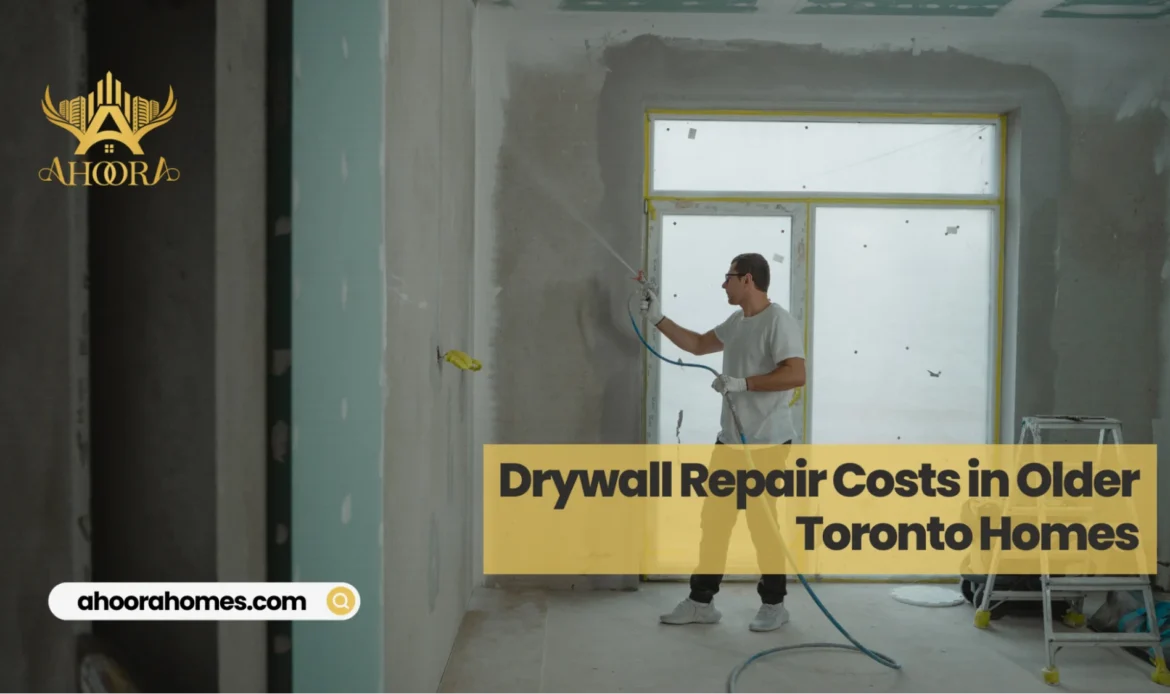
Older Toronto homes always need more detailed drywall work than newer properties. Almost all houses built before the 1970s still contain plaster walls, uneven framing or hidden moisture damage behind finished surfaces.
That extra labor usually increases repair costs.
Why Older Homes Are More Expensive to Repair
Walls in older homes are rarely perfectly level. Contractors may need extra skim coating and sanding to create a smooth finish that blends with the surrounding wall.
In neighbourhoods like East York, it is common to find plaster over wood lath instead of modern drywall sheets.
Plaster Wall Repairs vs Drywall Repairs
Plaster repairs usually cost more because the material is harder to patch cleanly. Cracked plaster can also break apart further once repairs begin.
| Wall Type | Average Repair Cost |
| Standard drywall | $150 to $800 |
| Plaster wall repair | $400 to $2,000+ |
Matching old plaster textures always takes more time than the repair itself.
Common Problems Found in Older Homes
Older Toronto properties always hide damage behind finished walls or ceilings.
Common issues include:
- Loose plaster around staircases
- Ceiling cracks from settling
- Previous patch repairs failing
- Moisture damage behind basement walls
- Uneven surfaces after older renovations
In Riverdale and Leslieville homes, contractors always uncover old nail-based drywall installations instead of modern drywall screws.
When Full Replacement Is More Practical
Some older walls become difficult to repair cleanly after decades of patching and repainting. Replacing damaged sections with new drywall can create a flatter and more durable surface.
Type X drywall is also sometimes installed during replacement projects to improve fire resistance between rooms or basement spaces.
What to Expect During a Drywall Repair Project
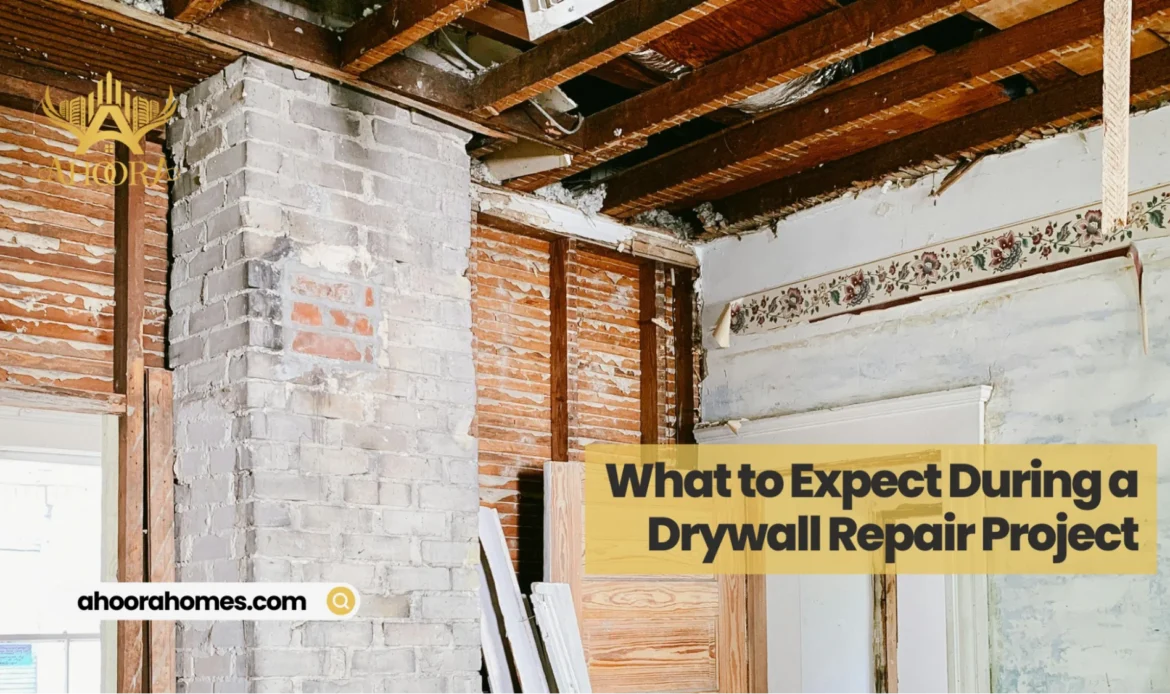
Most drywall repairs are straightforward, but they still create dust, noise, and temporary disruption inside the home. The project timeline depends on the damage size, drying time between coats, and whether repainting is included.
Small wall repairs may take one visit, while ceiling repairs or larger patches always require multiple days.
The Typical Drywall Repair Process
| Step | What Happens |
| Damage inspection | Contractor checks for moisture, loose drywall, or hidden damage |
| Surface prep | Floors and furniture are protected with plastic or drop sheets |
| Cutting and patching | Damaged drywall is removed and replaced |
| Taping | Mesh tape or paper tape is applied over seams |
| Joint compound application | Multiple coats are applied and feathered outward |
| Sanding and priming | Surface is smoothed and prepared for paint |
Most repairs require two or three coats of compound. Each coat must dry fully before sanding or recoating begins.
Mesh Tape vs Paper Tape
Mesh tape is faster to apply and works well for small patches. Paper tape is always stronger for longer seams and ceiling joints because it reduces future cracking.
Experienced drywall finishers choose the tape type based on the repair location and wall movement.
Drying Time Between Coats
Drywall repairs cannot always be completed in one visit because compound needs time to cure. Setting-type compound dries faster than standard premixed mud, but larger repairs still need proper drying time before sanding.
Rushing this stage can leave visible seams or flashing under paint.
Expect Dust During Sanding
Drywall sanding creates fine dust that spreads easily through nearby rooms. Professional crews usually use plastic barriers, HEPA vacuums, and floor protection to control the mess.
Ceiling repairs tend to create the most dust because sanding happens overhead.
Paint Matching Is always the Hardest Part
Fresh repairs can stand out against older paint even after sanding is complete. Primer flashing is especially noticeable on darker wall colors or walls with direct sunlight.
For larger patches, repainting the entire wall always creates the cleanest result.
How to Reduce Drywall Repair Costs Without Sacrificing Quality

Drywall repairs do not always require a large budget. A few smart decisions before work begins can help reduce costs without lowering the repair quality.
The goal is to avoid quick patch jobs that crack or become visible again after painting.
Fix Water Leaks Early
Small leaks can quickly damage insulation, framing, and nearby drywall. Repairing the moisture source early usually prevents larger wall replacement projects later.
This is especially common in Toronto basement ceilings below older bathrooms.
Bundle Repairs Together
Almost all contractors charge a minimum fee for setup, travel, and cleanup. Repairing several damaged areas during one visit can lower the overall labor cost.
This works well for scattered nail pops, wall dents, and small seam repairs.
Schedule Painting at the Same Time
Hiring separate trades for drywall and painting can increase labor costs. Some contractors offer both services together, which helps simplify scheduling.
It also improves paint blending after the repair is complete.
Avoid Cheap One-Coat Repairs
Low-cost repairs sometimes skip proper feathering or only apply one coat of compound. These patches always become visible after paint dries.
A proper drywall repair usually needs multiple coats, sanding, and primer before painting begins.
Ask About Materials and Finish Quality
Not all repair materials perform the same way. Some contractors use lightweight compounds for faster sanding, while others use stronger setting-type compounds for crack-prone areas.
The finish quality matters just as much as the patch itself.
Signs You Should Repair Drywall Immediately

Some drywall damage is only cosmetic, while other problems can spread quickly if ignored. Fast repairs can help prevent mold, ceiling failure, or deeper wall damage.
Water Stains That Continue to Grow
Brown stains or bubbling paint usually point to an active leak above the drywall. Even if the wall feels dry, moisture may still exist behind the surface.
Drywall exposed to long-term moisture always weakens and loses shape.
Cracks That Reappear After Repairs
Small settlement cracks are common in Toronto homes, especially during winter humidity changes. Cracks that reopen after patching may point to movement behind the wall or weak seam taping.
Recurring cracks always need wider reinforcement instead of simple filler.
Soft or Sagging Ceiling Areas
Ceilings should feel firm and level. Soft spots or sagging sections may mean water damage or loose drywall fasteners.
| Warning Sign | Possible Cause |
| Soft drywall | Hidden moisture |
| Sagging ceiling | Water leak or loose fastening |
| Peeling tape | Failed joint compound |
| Crumbling plaster | Aging wall material |
Ceiling repairs should be inspected quickly because damaged drywall can eventually collapse.
Musty Smells Around Walls or Ceilings
A musty smell can point to hidden moisture or mold behind finished surfaces. Basements and older bathroom walls are common problem areas.
Drywall affected by mold usually requires removal instead of surface patching.
Peeling Tape and Raised Seams
Loose tape and raised joints become more visible over time, especially under direct lighting. These repairs are easier to fix before multiple seams begin separating.
Contractors always use paper tape and wider feathering in these areas to reduce future cracking.
How to Choose a Drywall Repair Contractor in Toronto

The quality of drywall finishing affects how the wall looks long after the repair is complete. Poor workmanship can leave visible seams, rough patches, or flashing under paint.
A good contractor should explain the repair process clearly and provide a detailed estimate before work begins.
Ask About Their Repair Process
Experienced drywall contractors should explain how almost all coats of compound they apply, what type of tape they use, and how they handle sanding and dust control.
That level of detail usually tells you more than a low quote alone.
Look for Experience With Older Homes
Older Toronto homes always require different repair methods than newer drywall construction. Contractors familiar with plaster walls, ceiling movement, and uneven framing are usually better prepared for hidden problems.
This is especially relevant in century homes around Cabbagetown and The Annex.
Review Photos of Finished Work
Good drywall work should disappear after painting. Finished walls should look smooth under natural light without visible seams, bumps, or sanding marks.
Ceiling repairs are always the easiest way to spot poor finishing quality.
Confirm Cleanup and Dust Protection
Drywall sanding creates fine dust that can spread throughout the home. Professional contractors normally use floor protection, sealed work areas, and HEPA-filtered vacuums.
Cleanup standards matter just as much as the repair itself.
Be Careful With Extremely Cheap Quotes
Very low estimates sometimes skip proper prep work, multiple compound coats, or primer before painting. Those shortcuts always lead to visible patches and repeat repairs later.
A well-finished repair should blend naturally with the surrounding wall.
Plan Your Drywall Repair with Toronto Expert Ahoora Homes

Drywall problems always reveal larger issues once repairs begin. In older Toronto homes, our team regularly finds loose plaster behind previous patch jobs, water stains hidden above bathroom ceilings, and cracked seams caused by shifting framing around staircases and bulkheads.
At Ahoora Homes, we handle drywall repairs for condos, basements, plaster walls, and renovation projects across Toronto and the GTA. Our licensed and insured team focuses on clean finishing, proper feathering, dust control, and repairs that blend naturally after painting.
Whether you need a small wall patch or ceiling repair after water damage, early repairs can prevent larger replacement work later. Contact Ahoora Homes today to discuss your project and get a free quote.
Frequently Asked Questions About Drywall Repair Costs in Toronto
-
How much does drywall repair cost in Toronto?
Most drywall repairs in Toronto cost between $150 and $1,500 depending on the damage size, wall condition, and finishing work required.
-
How long does drywall repair take?
Small repairs can always be completed in one day. Larger repairs may take several days because joint compound needs drying time between coats.
-
Can you paint over repaired drywall the same day?
Usually no. Fresh compound must dry fully before priming and painting begin. Painting too early can cause flashing, uneven texture, or visible patches.
-
Does homeowners insurance cover drywall repair?
Insurance may cover drywall repairs caused by sudden events like burst pipes or accidental water leaks. Damage from long-term leaks or neglected moisture problems is always excluded. Coverage depends on the policy and the source of the damage.
-
What causes drywall cracks in Toronto homes?
Seasonal humidity changes, settling foundations, framing movement, and poor seam taping are common causes of drywall cracks in Toronto homes.
-
Is plaster repair more expensive than drywall repair?
Yes. Plaster repairs usually require more labor and skill because the material is harder to patch and blend smoothly.