
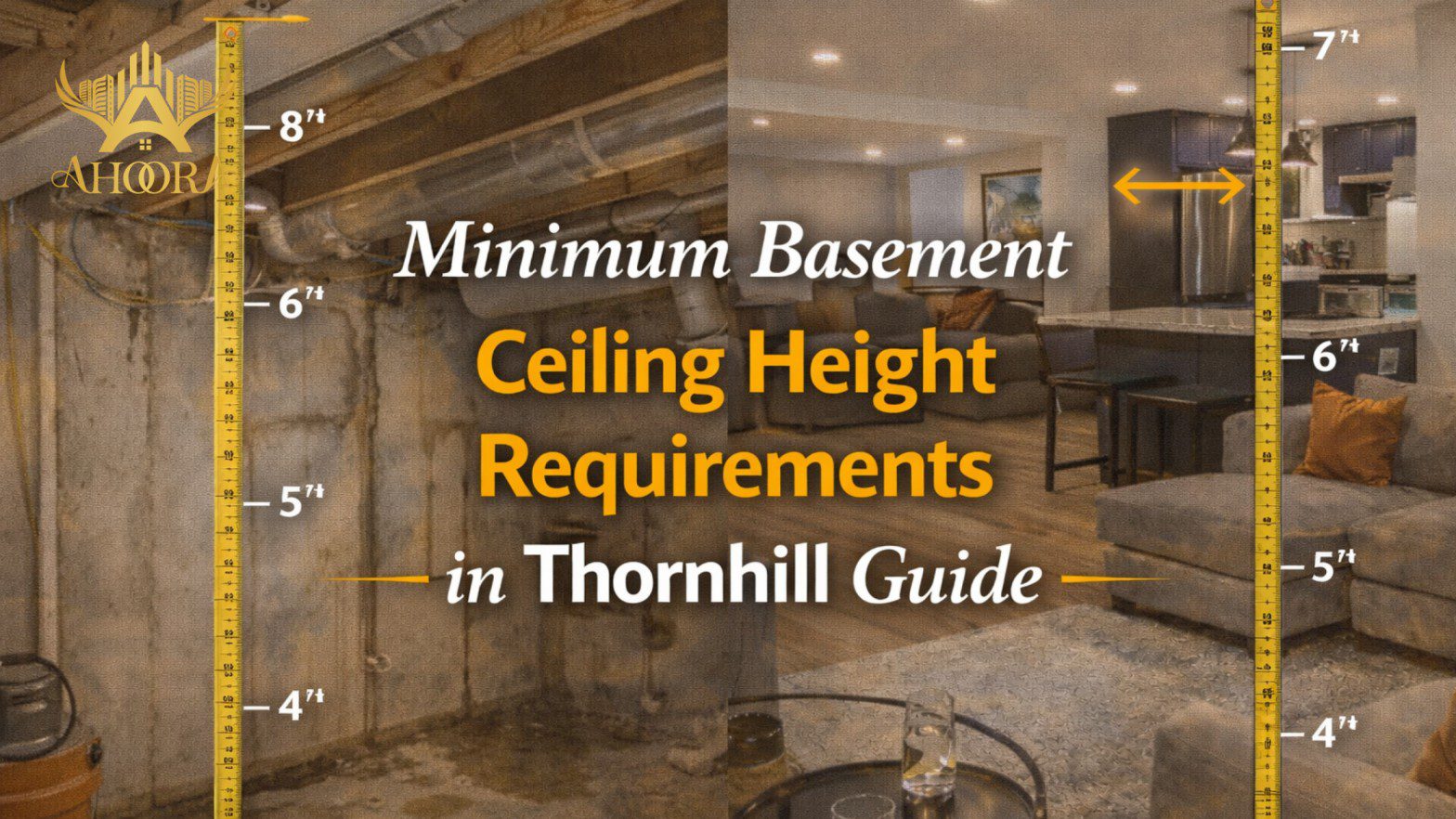
Planning to finally finish up your basement in Thornhill will be a real challenge if you don’t know if it even meets the minimum ceiling height rule. And you’re not the only one who’s started to renovate, only to discover later on that the space doesn’t cut it. Failed inspections, permit problems and costly repairs can then follow – and that’s really frustrating.
But don’t worry – the good news is that the Ontario Building Code makes it all pretty clear. Once you know the rules and how the measurements are taken, things get a whole lot easier.
What Is the Minimum Basement Ceiling Height in Thornhill Homes?
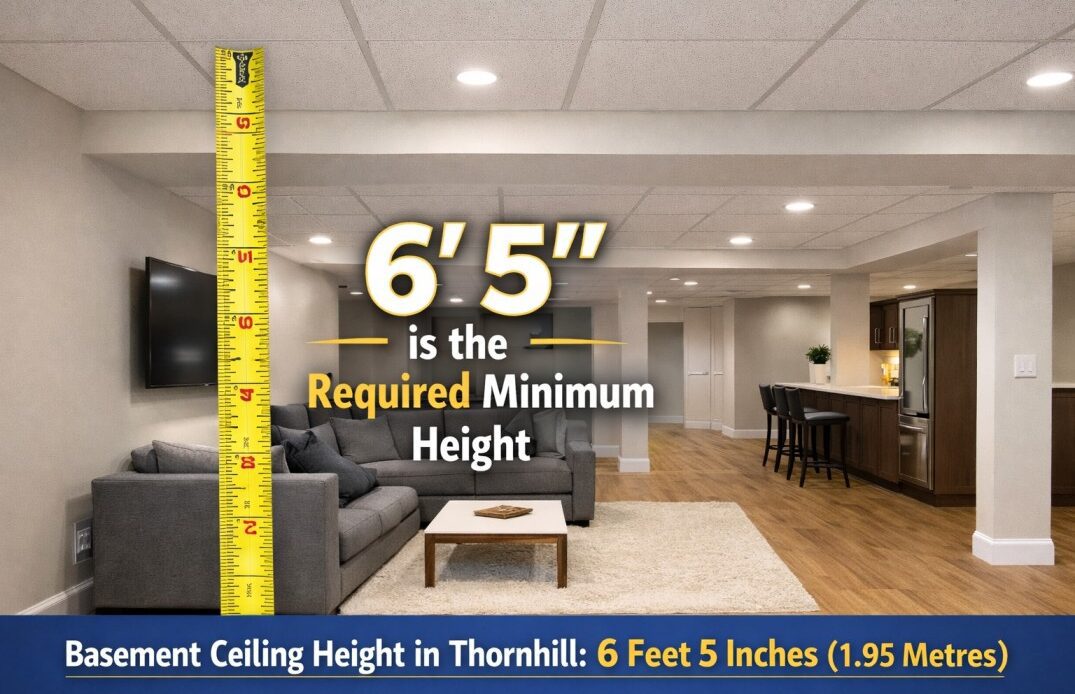
If you’re looking to renovate or perhaps build a basement apartment that’s actually usable, then the minimum ceiling height in Thornhill according to the Ontario Building Code is your main priority.
For your finished basement living space, the height needs to be at least 1.95 metres, which is about 6 feet 5 inches. This applies to your bedrooms, living rooms, kitchens and any other habitable areas you might be creating. The height is measured from the finished floor up to the finished ceiling.
Here’s a simple breakdown:
- Habitable rooms: Minimum 1.95 m
- Hallways and common areas: Minimum 1.95 m
- Under beams or ductwork: Slightly lower clearances may be allowed in limited areas
- Unfinished or storage areas: Different standards may apply
All of these rules, of course, fall under the basement requirements in the Ontario Building Code. And if you do want to have a basement in Ontario that meets the regulations, especially if you’re planning to rent it out, then meeting this ceiling height is just not an option – it’s a must have. And not just that – you need to meet it during both the permit approval process and the final inspection to get the all clear.
Many an older home in Thornhill was built with lower basement ceilings, which will leave you with the problem of how to raise them up. In some cases, you might need to do some structural work like underpinning or lowering the whole basement floor just to meet the height requirements. We’ll get into those solutions later on in this guide.
Before you do anything though, just take a proper measuring of your basement ceiling height to start with. Knowing that right at the beginning can really save you a lot of time, money and stress down the line when you go through the permit process.
Ontario Building Code Requirements for Basement Ceiling Height
When it comes to the minimum basement ceiling height in Thornhill, the rules come directly from the Ontario Building Code. These requirements apply whether you are finishing a basement for personal use or creating a legal secondary suite.
Here is what the Ontario Building Code basement ceiling height rules say for most homes:
- Minimum ceiling height for habitable spaces: 1.95 metres (6 ft 5 in)
- Applies to: Bedrooms, living rooms, kitchens, and recreation rooms
- Measurement point: From finished floor to finished ceiling
- Limited areas under beams or ducts: Slight reductions may be permitted, but the majority of the room must meet the minimum height
If you are building a legal basement in Ontario, this height requirement is mandatory. Inspectors check it during the framing and final inspection stages. If the basement does not meet the required headroom rules, the space cannot be approved as a legal living area.
For stairways leading to the basement, separate headroom rules apply. Stair clearance must also meet minimum height standards to ensure safe access. This is part of overall basement code compliance and is often overlooked during renovations.
It is important to understand that these rules apply across Ontario, including Thornhill and the GTA. However, local permit offices strictly enforce them when reviewing renovation applications. That is why confirming your ceiling height before starting construction is critical.
If your existing basement ceiling is below the Ontario Building Code requirement, structural changes such as lowering the basement floor may be needed to achieve a code-compliant space.
How Ceiling Height Is Measured Under Ontario Headroom Rules
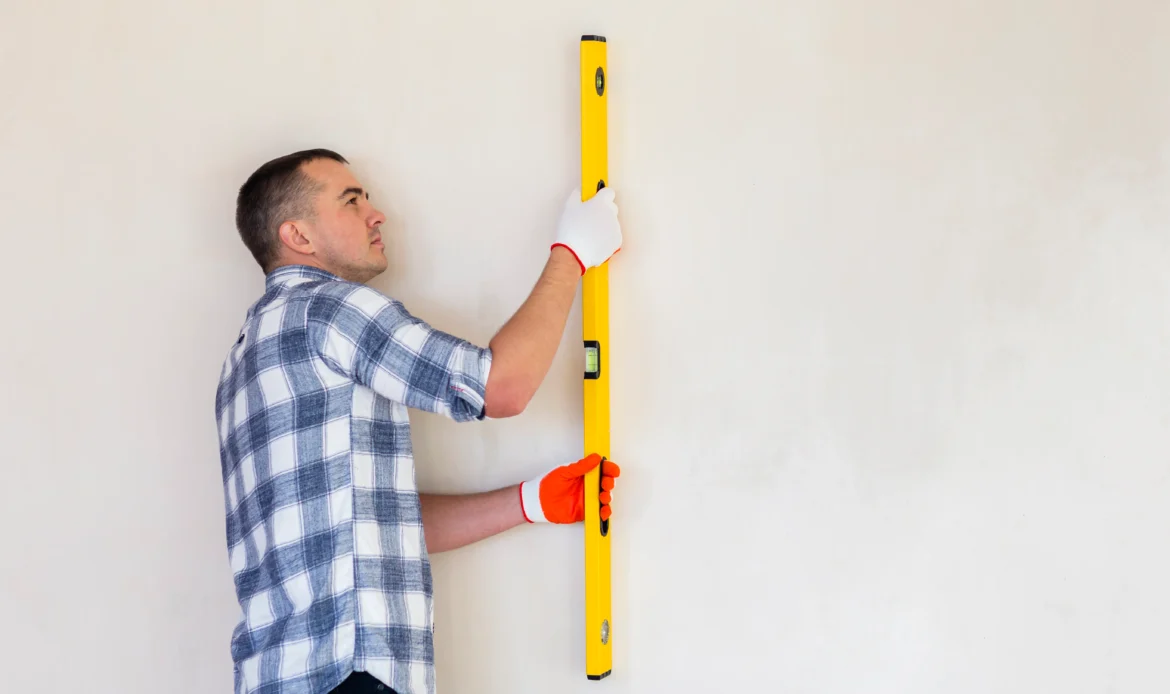
Many homeowners assume their basement meets the minimum basement ceiling height in Thornhill just by looking at it. But inspectors do not estimate. They measure it properly based on Ontario headroom rules.
Here is how ceiling height is officially measured under the Ontario Building Code:
- Measurement is taken from the finished floor surface
- It goes up to the finished ceiling surface
- If there are beams, ducts, or bulkheads, height is measured to the lowest obstruction in that area
This means unfinished concrete floors or open joists can give a false sense of space. Once flooring and drywall are installed, the actual height may be lower. That is why accurate measurement before renovation is critical.
What Counts as Finished Floor and Ceiling?
Under basement code Ontario standards:
- The floor must include subfloor and final flooring
- The ceiling must include drywall or any finished material
- Suspended ceilings must still meet the minimum height requirement
If you are aiming for a legal basement ceiling in Ontario, most of the usable living area must meet the 1.95 metre rule. Small sections under ducts may be slightly lower, but the main portion of the room must comply.
Stairway Headroom Measurement
Headroom rules also apply to basement stairs. The vertical clearance above each stair tread must meet minimum standards for safety. This is one of the most common reasons basements fail inspection.
Before applying for a permit in Thornhill, measure your basement in multiple spots, especially under bulkheads and near staircases. A difference of even a few centimetres can determine whether your space meets Ontario Building Code requirements or requires structural changes.
Getting the measurement right at the beginning can save you from delays, redesign costs, and inspection issues later.
Basement Ceiling Height Requirements for Legal Secondary Suites in Thornhill
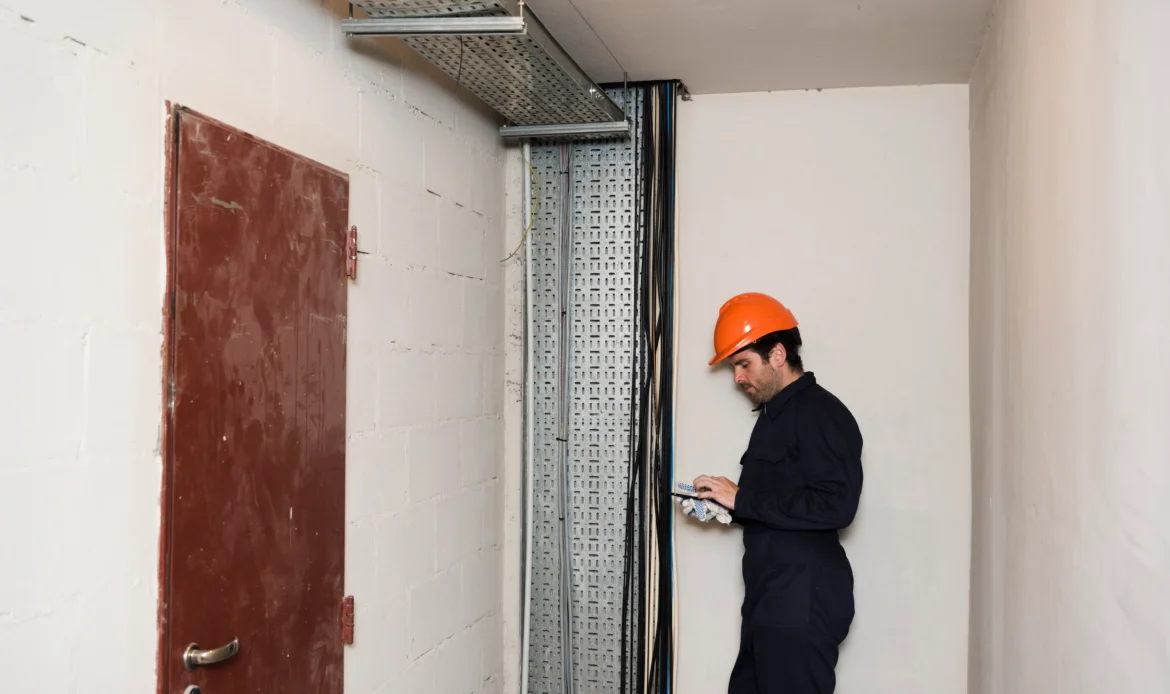
If you are planning to create a rental unit, the minimum basement ceiling height in Thornhill becomes even more important. A basement apartment must meet Ontario Building Code standards to be approved as a legal secondary suite.
For a legal basement in Ontario, the main living areas must have a minimum ceiling height of 1.95 metres (6 ft 5 in). This applies to:
- Bedrooms
- Living rooms
- Kitchens
- Dining areas
The measurement is taken from the finished floor to the finished ceiling. Most of the usable space must meet this height. Small sections under beams or ductwork may be slightly lower, but the majority of the room must comply with basement code Ontario requirements.
Why Ceiling Height Matters for Rental Approval
When applying for a permit for a legal secondary suite in Thornhill, inspectors check:
- Ceiling height in all habitable rooms
- Stairway headroom clearance
- Proper egress windows
- Fire separation and safety features
If the legal basement ceiling Ontario standard is not met, the unit will not pass inspection. This means you cannot legally rent the space.
Older Homes in Thornhill
Many older homes were built with lower basement ceilings. If the height is below 1.95 metres after finishing, structural work such as lowering the basement floor may be required to meet the Ontario Building Code.
Before investing in a basement apartment renovation, confirm your ceiling height first. Meeting the legal requirement from the start protects you from delays, rejected permits, and costly changes later.
What Happens If Your Basement Ceiling Height Is Below Code in Thornhill?
If your basement is in a bit of a pickle because it doesn’t hit the minimum height required in Thornhill, it’s a pretty serious problem. It might prevent it from ever being approved as a legal living space, under the Ontario Building Code that is. And if that happens, you’re going to have a whole host of problems down the line – problems that could catch up with you at the most inopportune moments.
Here is what typically happens when the ceiling height is below the required 1.95 metres:
1. Permit Application May Be Rejected
You go to apply for a permit to do some basement renovations and when they review your plans, they spot the problem. Your application is going to get denied before you even get a chance to break out the tools.
2. Inspection Failure During Renovation
If they catch it during the framing or when they do the final inspection, it means the project can fail. And if that happens, you might be forced to stop work and start making major adjustments to get your basement up to code.
3. The Space Cannot Be a Legal Secondary Suite
So let’s say you’re planning to turn this part of the house into a rental unit. You’re in trouble if it doesn’t meet that Ontario Building code requirement. You can’t just go ahead and rent it out because if you do, you might end up with fines, insurance nightmares, and even some liability issues.
4. Reduced Property Value
An unfinished or non-compliant basement limits your home’s resale potential. Buyers often ask whether the basement meets code. If it does not, it may lower the perceived value of the property.
5. Limited Renovation Options
If your existing height is too low, finishing the space with flooring and drywall may reduce it even further. In many older Thornhill homes, ceiling height becomes tighter after renovation unless structural adjustments are made.
Renovation Solutions If Your Basement Ceiling Is Too Low
If your basement does not meet the minimum basement ceiling height in Thornhill, you still have options. The right solution depends on how much height you are missing and your renovation goals.
Below are the most common ways homeowners bring their basements up to Ontario Building Code standards.
1. Underpinning (Lowering the Basement Floor)
Underpinning is the most effective way to increase ceiling height. This process involves carefully excavating below the existing foundation and lowering the basement floor.
Here’s what it does:
- Increases ceiling height to meet the 1.95 metre requirement
- Strengthens the foundation
- Creates a fully code-compliant living space
Underpinning is often used when creating a legal basement in Ontario, especially in older Thornhill homes with low ceilings. It is a structural project and requires engineering plans and permits.
2. Bench Footing
Bench footing is another method to gain height. Instead of lowering the entire foundation, a concrete bench is built around the inside perimeter walls while the floor is lowered in the centre.
This option:
- Costs less than full underpinning
- Provides additional ceiling height
- Slightly reduces usable floor space
It can help meet basement code Ontario requirements when full underpinning is not necessary.
3. Adjusting Mechanical Systems
Sometimes, the issue is not the slab but ductwork or bulkheads hanging too low. In these cases, you may be able to:
- Reroute HVAC ducts
- Use slimmer duct systems
- Reposition plumbing lines
- Design tighter bulkheads
This helps improve headroom while still meeting Ontario headroom rules.
4. Smart Layout Planning
If only certain areas are slightly below code, redesigning the layout may help. For example:
- Use lower sections for storage
- Place bathrooms in tighter areas
- Keep main living areas within compliant height zones
However, for a legal basement ceiling Ontario requirement, the majority of habitable space must meet the minimum standard.
Basement Permit and Inspection Process in Thornhill & GTA
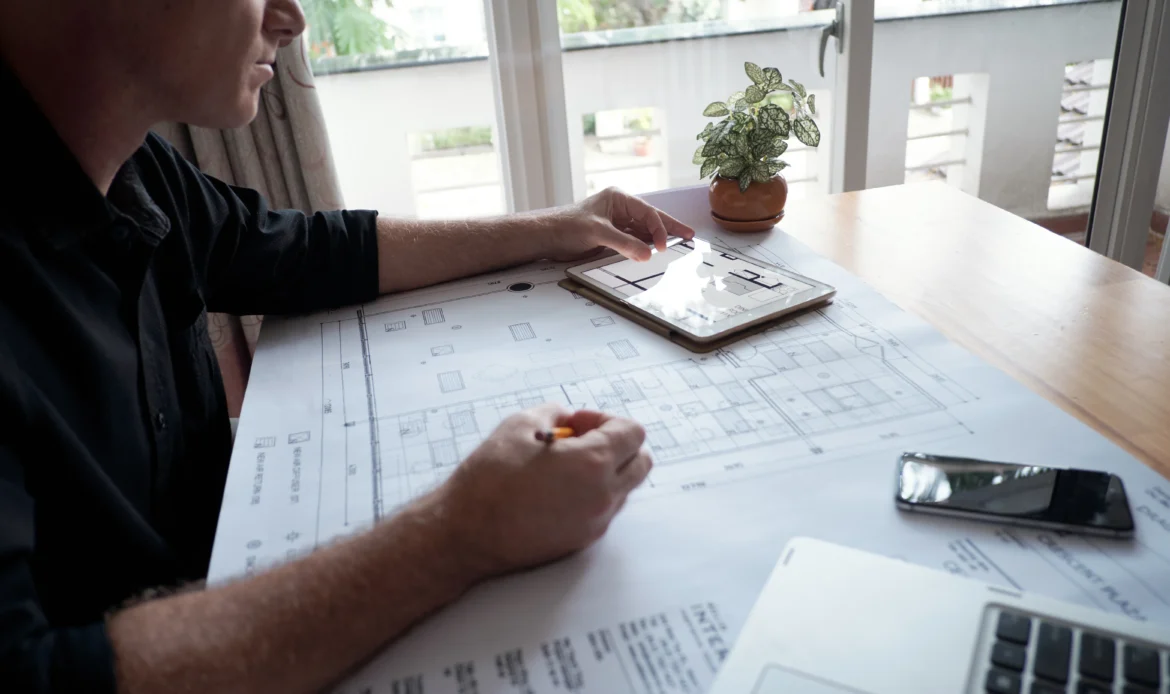
If you are finishing a basement or creating a rental unit, you must follow the local permit process. Meeting the minimum basement ceiling height in Thornhill is not enough on its own. The city must review and approve your renovation before it becomes legal.
Here is how the basement permit process works in Thornhill and across the GTA.
Step 1: Submit Building Permit Application
Before construction begins, you must submit:
- Detailed renovation drawings
- Floor plans with ceiling height measurements
- Structural plans if lowering the basement floor
- Mechanical and plumbing layouts
The city reviews your plans to confirm they meet Ontario Building Code basement requirements, including legal ceiling height, headroom rules, fire separation, and egress standards.
If the proposed height does not meet the legal basement ceiling Ontario requirement, the permit will not be approved.
Step 2: Construction Begins After Approval
Once the permit is issued, renovation can begin. Work must follow the approved drawings. Any changes, especially structural ones like underpinning, require updated approval.
Step 3: Required Inspections
During the project, municipal inspectors visit at different stages. Common inspection points include:
- Framing inspection
- Plumbing and mechanical inspection
- Insulation and vapour barrier inspection
- Final inspection
Inspectors will measure ceiling height on site to confirm compliance with basement code Ontario standards. If the height is below 1.95 metres in required areas, the project may fail inspection.
Why Permits Matter
Some homeowners try to skip permits to save time or money. This creates serious risks:
- Fines and stop-work orders
- Insurance complications
- Problems during resale
- Inability to register a legal secondary suite
In Thornhill and the GTA, municipalities strictly enforce basement renovation permits. Following the correct process protects your investment and ensures your basement is fully code compliant.
Build It Right the First Time with Ahoora Homes
At this point, you know the truth. The minimum basement ceiling height in Thornhill is not just a number on paper. It decides whether your basement passes inspection, qualifies as a legal secondary suite, or adds real value to your home.
If your ceiling height is close to the limit, or slightly below Ontario Building Code requirements, guessing is not a smart move. One small miscalculation can delay your permit or force expensive changes later. That is why planning with the right team matters.

At Ahoora Homes, we help homeowners across Thornhill and the GTA design basements that meet basement code Ontario standards from day one. We measure properly. We review structural options honestly. And if lowering the basement floor or underpinning is required, we guide you through it step by step.
No confusion. No last-minute surprises. Just clear answers and solid workmanship.
If you are thinking about finishing your basement or creating a legal rental unit, now is the right time to check your ceiling height and plan it properly.
Book a consultation with Ahoora Homes and make sure your basement renovation is done the right way, safely, legally, and with confidence.
FAQs About Minimum Basement Ceiling Height in Thornhill
-
What is the minimum basement ceiling height in Thornhill?
The minimum basement ceiling height in Thornhill – generally speaking, its 1.95 metres or six feet five inches for any space that people live in, like bedrooms or living rooms. You have to get that measurement from the finished floor up to the finished ceiling, as per the rules.
-
Can I finish my basement if the ceiling is lower than 6 feet 5 inches?
If the ceiling is below 1.95 metres then that space cant be approved as a proper living area by Ontario building standards, so unless you get the structural changes made that need sorting out, you wont qualify for a legal secondary suite. But you might still get away with finishing it off – but only for occasional use not as a proper rental place.
-
Are lower ceiling heights allowed under beams or ductwork?
Yes you can get away with a tiny bit less headroom under certain bits but most of your usable floor space has to meet the 1.95 metre rule or the inspectors wont give you a clean bill of health. They check to make sure.
-
Do I need a permit to increase my basement ceiling height in Thornhill?
Yeah, you need one. If you need to mess around with the structure – i.e. lower the foundation or do any underpinning, to get to the required ceiling height and make it legal then you’re going to need a permit and the city will be coming to inspect the work.
-
How do inspectors measure basement ceiling height?
Inspectors take the measurement from the top of the finished floor to the top of the finished ceiling. And if you’ve got any obstructions lying around – like bulkheads or ductwork, then the lowest point of the obstruction gets measured – simple as that. Accuracy is key here to meet Ontario Building Code requiremen