
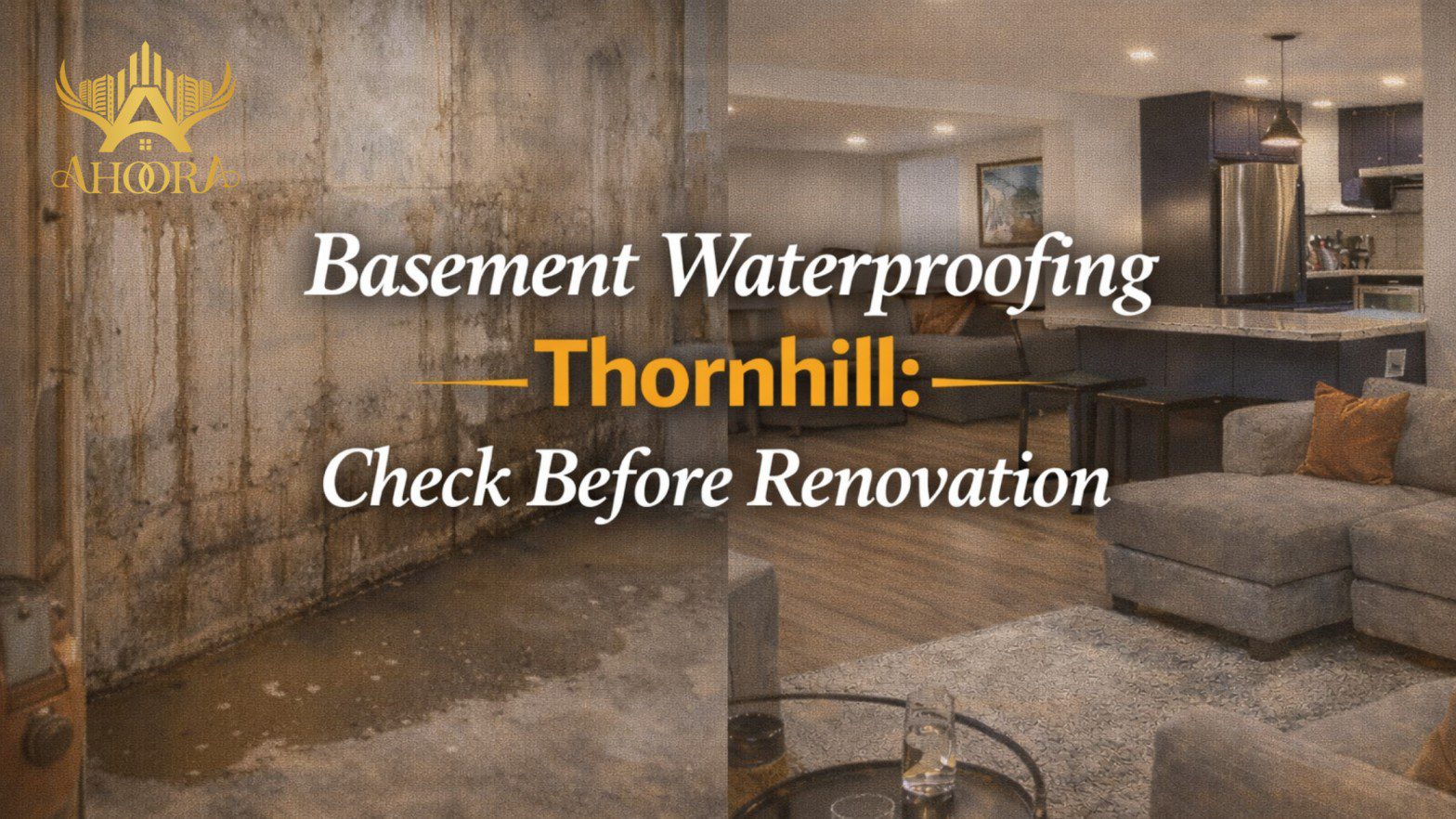
Renovation of your basement is finally underway. Your vision: a cozy family room, a rental suite, or a home office. Then, that one heavy rain comes through Thornhill, and a damp smell, a hairline crack in the wall, or water leaking onto the floor gets your attention. Excitement quickly turns into stress, and that’s exactly why basement waterproofing in Thornhill should never be an afterthought in the renovation process.
A lot of homeowners will spend thousands of dollars on basement finishing, only to discover a few months later that they’ve got a mold problem, damaged drywall or costly repairs on their hands. Before you know it the small things that you’ll ignore at first, like hairline foundation cracks, a drainage issue or an old sump pump, quietly start to destroy your investment.
Why Basement Waterproofing in Thornhill Should Come Before Any Renovation
If you’re planning a major renovation of your basement, then you should always get a basement waterproofing Thornhill inspection checked off the list before you start – and that’s before you lay any of your new materials. Drywall Contractor, insulation, flooring and wood framing can all soak up moisture quickly. Even just a tiny little crack in the foundation or a weak drainage system can let water in and cause a world of damage behind your finished walls. And fixing things after the renovation is always going to cost a lot more than doing it now.
Thornhill’s Climate Increases Basement Moisture Risks
If you live in Thornhill, or pretty much anywhere else in the GTA, then you know how heavy the rain can be, and how wet the spring can get after the snow melts. And all that water creates a lot of pressure around the foundation of your house. And over time, that pressure can push water through tiny little cracks in the concrete, even through solid foundation walls. Without proper waterproofing in place, the moisture just builds up behind the surfaces of your finished basement and before you know it, you’ve got mold and structural damage on your hands.
Renovation Materials Are Not Waterproof
A lot of homeowners will think their basement is fine because it looks dry, but the thing is, finishing a basement just traps the moisture inside the walls. If you don’t check for foundation leak repair, crack injection or sump pump performance, then you’re going to have water problems that stay hidden until they turn into a major disaster. But having a basement waterproofed in Thornhill before you start finishing in the first place will help protect all that expensive new framing, electrical work and flooring from water damage down the line.
Waterproofing Protects Your Investment
Renovating your basement can cost you tens of thousands of dollars. So addressing any issues like badly graded land, a sump pump that’s past its prime or a drainage system that’s on its way out before you start building can save you a lot of money in the long run. A real, functional, drainage system, sealed foundation cracks and tested waterproofing methods will keep that space dry for years to come.
Common Basement Moisture Problems in Thornhill Homes
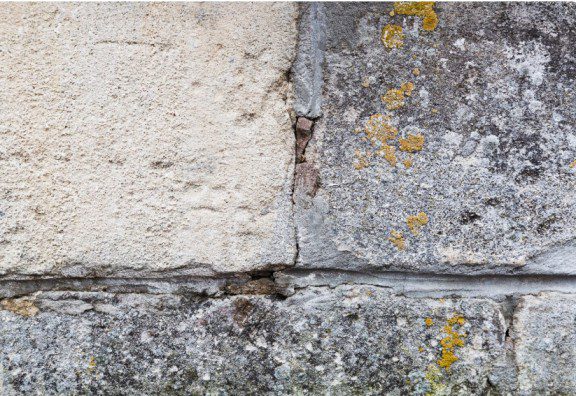
Before you invest time and money into a renovation, it’s important to understand why moisture problems show up in basements in Thornhill and the GTA. Basement wet spots, damp smells, and water damage are not just inconveniences they are warning signs that your home may need serious attention before finishing. Recognizing these early helps protect your renovation and keeps your space dry and safe.
Foundation Cracks and Water Seepage
One of the most common sources of moisture problems is hairline or larger cracks in the foundation walls or basement floor. The soil in Thornhill can contain a lot of clay which holds water and puts additional pressure on the foundations. Over time, this pressure from the clay can cause those small cracks to let water seep in especially when it’s pouring outside or during spring snowmelt.
Hydrostatic Pressure and Soil Saturation
Heavy rain, spring snowmelt, clay-rich soil – all these things can increase hydrostatic pressure that’s the force water in the ground exerts on your foundation. When the soil around your home can’t drain properly, the water pushes against your basement walls and floor. This can lead to mouldy spots, water marks, or even actually pooled water along the edges of your basement. Good waterproofing systems help relieve this pressure and keep the water out.
Poor Exterior Drainage and Surface Water
If rainwater or melting snow isn’t directed away from your home, it can soak into the ground around the foundation. Issues such as clogged gutters, short downspouts, or grading that slopes toward the house can make water collect near basement walls instead of flowing away. Over time, this increases the chance of basement leaks and moisture problems.
Window Wells, Weeping Tiles, and Sump Pump Failures
Basement window wells or old weeping tile systems can fill with water and guide it toward your foundation if drainage is blocked or poorly installed. Sump pumps are designed to remove this water; however, if the pump is old, fails, or lacks a backup system, water can stay in the basement and lead to flooding or leaks after storms.
High Humidity and Condensation
Not all moisture comes from outside. Even without water leaking through cracks, high indoor humidity can cause damp concrete walls to sweat, leading to condensation on surfaces. This increases the risk of mold, musty odors, and slow-building moisture damage if not addressed early.
Basement Waterproofing Checklist Before Renovation

Before you start installing framing, insulation, or laying flooring, take a few minutes to run through this quick checklist and make sure your basement is in good shape first. A proper basement waterproofing Thornhill check can literally save you a world of trouble by spotting water damage, mold growth and costly repairs before they even become a problem especially after the renovation is finished in Thornhill.
1. Inspect Foundation Walls and Floors for Cracks
Take a good hard look at your concrete walls and the basement floor for any signs of cracks, gaps that are getting a bit too big or patchwork jobs gone wrong. And in case you’re wondering, if there are water stains or that white powdery residue called efflorescence showing up – chances are there may be active leaks that you need to get fixed with some foundation leak repair or a professional crack injection before you start renovating.
2. Check for Damp Spots and Musty Odors
Touch the lower areas of walls and corners to see if they feel damp. A strong musty smell often signals hidden moisture behind surfaces. Even if you do not see standing water, high humidity can damage drywall and insulation later. Moisture testing is a key step in basement waterproofing before renovation.
3. Review Your Exterior Drainage System
Walk around your home and examine gutters and downspouts. Make sure downspouts extend several feet away from the foundation. Check that the soil slopes away from the house. Poor grading and clogged gutters are common causes of basement leaks in Thornhill homes.
4. Test the Sump Pump and Backup System
If your basement has a sump pump, test it by pouring water into the pit to confirm it activates properly. Ensure the discharge pipe directs water away from the home. A battery backup is important during storms or power outages. A failed sump pump can flood a newly finished basement within hours.
5. Look at Window Wells and Weeping Tiles
Clear debris from window wells and confirm they drain properly. Blocked weeping tiles or aging drainage systems can trap groundwater around your foundation. If water collects near basement windows, professional waterproofing may be needed.
6. Evaluate Previous Repairs
If your basement has had leaks in the past, double check that the repairs that were done are still holding up. Old sealants, dodgy patches, or DIY fixes may all have failed by now. A professional assessment will give you a much better idea of whether your waterproofing is up to snuff.
Interior vs Exterior Waterproofing: Which Is Best for Thornhill Homes?
When planning basement waterproofing Thornhill projects, many homeowners ask one key question: should you choose interior waterproofing or exterior waterproofing? The right solution depends on the source of the water problem, the condition of your foundation, and your basement renovation goals.
What Is Interior Basement Waterproofing?
Interior waterproofing focuses on managing water after it enters the basement. It does not stop water from reaching the foundation, but it controls and redirects it safely away.
Common interior solutions include:
- Interior drainage systems along basement walls
- Sump pump installation with backup system
- Crack injection for minor foundation leaks
- Vapor barriers to reduce moisture buildup
This method is often more affordable and less disruptive because it does not require excavation. It works well for homes with minor seepage, hydrostatic pressure issues, or older weeping tile systems that need upgrading. Many Thornhill homes use interior systems to create a waterproof basement before finishing.
What Is Exterior Basement Waterproofing?
Exterior waterproofing stops water before it enters the foundation walls. This method usually involves excavation around the home.
Typical exterior solutions include:
- Applying waterproof membranes to foundation walls
- Installing exterior drainage systems or new weeping tiles
- Improving soil grading to direct water away
- Repairing large foundation cracks from the outside
Exterior waterproofing is often recommended for serious foundation leak repair cases or recurring basement flooding. It provides long-term protection but can be more expensive due to digging and labor costs.
Which Option Is Better for Your Thornhill Home?
There is no one-size-fits-all answer. If your basement has minor cracks, damp spots, or an aging sump pump, interior waterproofing may be enough before renovation. However, if you notice major foundation cracks, repeated water entry, or poor exterior drainage, exterior waterproofing may offer stronger protection.
In many cases, a combination of both systems provides the best results. A professional inspection helps determine the most effective approach based on your home’s condition and renovation plans. Choosing the right waterproofing method protects your investment and ensures your finished basement stays dry for years.
How Much Does Basement Waterproofing Cost in Thornhill Before Renovation?

One of the most common questions homeowners ask is the cost of basement waterproofing Thornhill services before starting a renovation. The price depends on the type of problem, the size of the basement, and whether you need interior or exterior solutions. Addressing water issues early is often much cheaper than repairing a finished basement later.
Average Basement Waterproofing Costs in Thornhill
Here are general cost ranges in the GTA market:
- Crack injection or minor foundation leak repair: $500 to $1,500 per crack
- Interior waterproofing system with drainage and sump pump: $3,000 to $10,000
- New sump pump installation with backup battery: $1,500 to $3,500
- Exterior waterproofing with excavation and membrane: $10,000 to $25,000 or more depending on depth and access
These numbers are estimates. The final cost depends on foundation condition, soil type, accessibility, and the level of damage.
What Affects the Cost?
Several factors can increase or lower the total price:
- Extent of foundation cracks
- Condition of existing drainage system or weeping tiles
- Depth of excavation required
- Whether water damage has already occurred
- Need for mold cleanup or structural repairs
Homes in Thornhill with clay-heavy soil may require stronger drainage solutions due to hydrostatic pressure.
Is Waterproofing Worth the Investment Before Renovation?
Yes. Spending a few thousand dollars on waterproofing before finishing can protect tens of thousands invested in flooring, drywall, insulation, and electrical work. Skipping this step can lead to mold removal costs, material replacement, and major foundation repairs later.
Protect Your Basement Renovation with Expert Basement Waterproofing in Thornhill
Renovating your basement is a pretty exciting idea, but it can all go downhill fast if water starts causing problems. To avoid turning that dream space into a costly nightmare the minute you start installing walls and flooring, it’s essential to make sure your home is fully watertight with a proper basement waterproofing Thornhill solution in place. A small crack in your foundation wall, a weak sump pump, or a clogged drainage system could turn into a major headache if you don’t address them now.

If you are unsure whether your basement is good to go for renovation, you don’t have to figure it all out on your own. At Ahoora Homes, we take a good hard look at your foundation walls, check for any hidden signs of moisture, review your sump pump system, and give your drainage system a thorough inspection. Our goal is pretty simple: to help you create a dry, safe, and long-lasting basement that will support your renovation investment.
A strong renovation starts with a solid foundation literally. If you are thinking about finishing your basement or need some guidance on foundation leak repair, now is the perfect time to get some expert advice and ask questions. Book a professional assessment and you’ll be able to move forward with full confidence.
We’d love to learn about your renovation plans and help you take the next step safely. Get You Free Quote.
FAQs About Basement Waterproofing in Thornhill
-
Do I need to get my basement waterproofed before I finish it in Thornhill?
Absolutely, waterproofing always has to come first. Even the tiniest foundation crack or drainage issue can cause all sorts of problems – like mold, water-damaged drywall, and costly repairs – after the renovation. A proper basement waterproofing Thornhill inspection will ensure your new basement stays dry and protected long-term.
-
What are some of the warning signs that my basement needs waterproofing?
Common signs of a problem include musty smells, damp walls, water stains, that white powdery residue on concrete, and visible cracks in your foundation walls. You might also notice water pooling after heavy rain. These are all warning signs that you might need foundation leak repair or some drainage improvements before you start renovating.
-
How long will basement waterproofing actually last?
When it’s done right, interior or exterior waterproofing systems can last anywhere from 10 to 25 years or even longer. Sump pumps are going to need to be replaced every 7 to 10 years on average, though. Doing regular maintenance and inspections will help extend the lifespan of your waterproofing system.
-
Is interior or exterior waterproofing better for homes in Thornhill?
Well, that really depends on the size of the problem you’re dealing with. Interior waterproofing can handle minor seepage and pressure, while exterior waterproofing is better suited for major foundation leaks and recurring flooding. A professional inspection will help figure out the best solution for your home.
-
How much is basement waterproofing going to cost in Thornhill?
Costs are going to vary depending on the size of the problem and the solution required. Injecting a few cracks might only cost a few hundred bucks, while full-on exterior waterproofing is going to depend on how much excavation you need to do. Getting an inspection before you start renovating will help you budget accurately.