

Renovating a basement is one of the smartest ways for Mississauga homeowners to add living space, increase property value, and create rooms that truly fit their lifestyle. Whether you’re dreaming of a cozy family area, a functional home office, or a legal rental suite, exploring the right basement renovation ideas Mississauga homes can benefit from will help you plan with clarity and confidence.
Top Basement Renovation Ideas for Mississauga Homes
Transforming a basement into a functional, comfortable space is one of the easiest ways to add value and versatility to your home. Many homeowners searching for basement renovation ideas for Mississauga homes want solutions that improve daily living, support modern lifestyles, or even generate rental income. Below are some of the most practical and popular ideas that work especially well for homes in Mississauga and the GTA.
1. Family Entertainment Room
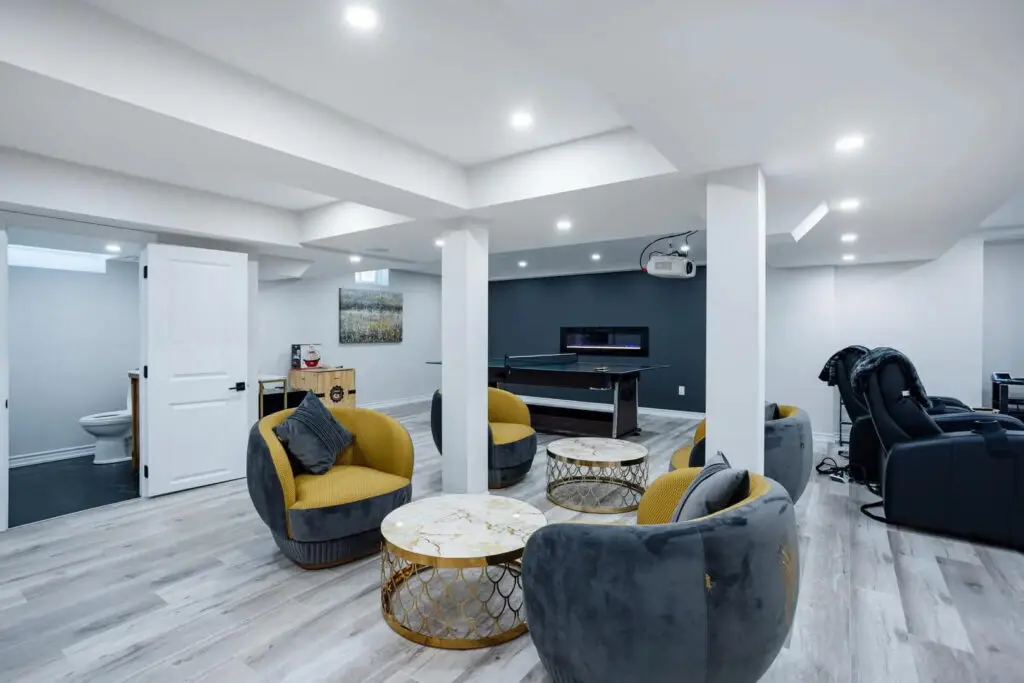
A finished basement makes the perfect spot for a cozy family room or media space. With proper lighting, soundproofing, and durable flooring like LVP, you can create a warm and welcoming environment for movie nights, gaming, or hosting friends.
2. Legal Basement Apartment / Secondary Suite
Many residents explore basement apartment Mississauga options to create a rental suite or in-law unit. When designed correctly and built to meet city permit requirements, a legal secondary suite can offer long-term income, increased property value, and flexible living arrangements.
3. Home Office or Study Area
As remote work grows, homeowners appreciate having a quiet, dedicated workspace. A basement office offers privacy and reduces household distractions while keeping your main-floor layout open and uncluttered.
4. Home Gym or Fitness Area
Basements naturally support fitness spaces thanks to their open floor plans and sound isolation. Rubber flooring, bright lighting, and wall mirrors can transform an unfinished space into a practical home gym.
5. Guest Bedroom or Multi-Use Suite
If you frequently host family or friends, a well-designed guest suite adds comfort and flexibility. Include proper insulation, heating, and egress windows to ensure the space feels bright, safe, and inviting.
6. Recreation or Kids’ Playroom
Families often convert unused basement areas into a playroom or recreation zone. This helps keep toys, games, and noise contained while giving children a safe, designated place to enjoy.
7. Wet Bar or Entertainment Lounge
For homeowners who love to entertain, adding a wet bar, built-in shelving, or a lounge area can elevate your hosting experience. Soft lighting, durable counters, and easy-clean flooring complete the look.
8. Laundry Room Upgrade
Many older Mississauga homes have outdated basement laundry setups. Modernizing this space with better storage, counters, and improved lighting can make everyday chores much easier.
Also Read: Basement Renovation Ideas for Additional Living Space
Cost Guide: How Much Does a Basement Renovation Cost in Mississauga?
Understanding the cost of a basement remodel is one of the biggest concerns for homeowners exploring basement renovation ideas Mississauga families can rely on. While prices vary depending on materials, layout changes, and whether you’re planning a legal secondary suite, having a realistic estimate helps you budget confidently and avoid surprises.
Average Basement Renovation Costs in Mississauga
For most Mississauga homes, a standard basement finishing project typically ranges from $40 to $70 per sq. ft., depending on the quality of materials and the complexity of the work. This includes essentials such as framing, insulation, drywall, flooring, electrical updates, and basic lighting.
A full basement apartment Mississauga homeowners often consider—complete with a bathroom, kitchenette, laundry, and code-compliant features—can range from $40,000 to $90,000+. Costs increase when plumbing relocations, egress windows, or structural adjustments are required.
Key Factors That Affect Basement Renovation Costs
- Size and layout of the basement: Larger or irregular spaces require more labour and materials.
- Plumbing and electrical upgrades: Adding a bathroom, laundry area, or kitchenette raises the overall cost.
- Quality of finishes: Flooring, cabinetry, lighting, and fixtures significantly affect the final price.
- Permit requirements: Legal secondary suites and major structural changes require city permits, which add to the cost but ensure the project meets Mississauga standards.
- Moisture or foundation repairs: Older homes in the GTA may need waterproofing or insulation upgrades before finishing begins.
Tips to Stay on Budget
- Prioritize features that deliver the best long-term value, such as waterproofing and proper insulation.
- Choose durable, basement-friendly materials like LVP flooring and mould-resistant drywall.
- Get a detailed, written quote from an experienced contractor to avoid unexpected add-ons.
- Plan your layout carefully before construction to minimize costly changes later.
Permits & Regulations: What Mississauga Homeowners Must Know
Before starting any project based on your basement renovation ideas Mississauga homeowners should understand the permitting rules. Mississauga has clear regulations to ensure every finished basement or secondary suite is safe, structurally sound, and compliant with the Ontario Building Code. Knowing these requirements early helps you avoid delays, unexpected costs, and potential legal issues.
When You Need a Building Permit
A building permit is required for most basement renovations, including:
- Finishing an unfinished basement to create living space
- Adding or relocating plumbing (bathroom, laundry, kitchenette)
- Building or modifying walls, structural elements, or windows
- Creating a basement apartment Mississauga homeowners want to rent legally
- Installing or enlarging egress windows for fire safety
If you’re planning a legal secondary suite, permits are mandatory, and the space must meet strict safety, fire separation, and ventilation standards.
Requirements for Legal Basement Apartments
For a basement apartment to be legal in Mississauga, it must follow:
- Proper egress windows large enough for safe escape
- Minimum ceiling height according to Ontario Building Code
- Fire-rated walls and ceilings between units
- Separate HVAC or smoke/CO detectors depending on configuration
- Approved plumbing and electrical layout
- Registration with the City of Mississauga as a second unit
These rules protect both homeowners and tenants, while increasing the long-term value of your home.
Inspections You Should Expect
Once your permit is approved, the city will conduct inspections at key stages, such as:
- Framing
- Plumbing and electrical
- Insulation and vapour barrier
- Final safety inspection
Each step must pass before the next phase of construction begins.
Why Permits Matter
Skipping permits may seem like a time-saver, but it can lead to major issues, such as:
- Fines or stop-work orders
- Failed home inspections when selling
- Insurance refusal for damages or accidents
- Denied eligibility for renting the suite
Obtaining the correct permits ensures your renovation is safe, legal, and fully protected especially if your goal is to add a basement apartment Mississauga renters can legally occupy.
Hiring a Contractor in Mississauga: Checklist & Red Flags
Choosing the right contractor is just as important as selecting the best basement renovation ideas Mississauga homeowners want to bring to life. A reliable, experienced professional ensures your project is completed safely, legally, and within budget. Before signing any agreement, use the checklist below to protect your investment and avoid costly mistakes.
Essential Checklist for Hiring a Basement Renovation Contractor
1. Verify Licensing, Insurance, and WSIB Coverage
A reputable contractor should be fully licensed, insured, and registered with WSIB. This protects you from liability in case of accidents or damages during the renovation.
2. Confirm Experience With Mississauga Permits
Since many projects—especially those involving a basement apartment Mississauga homeowners plan to rent require permits, choose a contractor who regularly works with Mississauga’s building department. They should understand egress rules, fire separation requirements, and second-unit regulations.
3. Request a Detailed Written Estimate
Your quote should clearly outline:
- Labour and material costs
- Scope of work
- Estimated timeline
- Payment schedule
- Warranty details
A transparent estimate helps prevent unexpected add-ons later.
4. Check Portfolio and Past Work
Ask for examples of completed basement renovations, including any legal suites. Before-and-after photos, reviews, and real client feedback reveal the contractor’s quality and consistency.
5. Ask About Subcontractors
Clarify whether the contractor uses licensed electricians, plumbers, and HVAC technicians. Proper certifications are essential for safety and code compliance.
6. Communication and Project Management
Choose a contractor who communicates clearly, offers regular updates, and provides a designated project manager. Smooth communication is key to avoiding delays and misunderstandings.
Important Red Flags to Watch Out For
- Contractor avoids permits or suggests skipping inspections
This is a major warning sign and can jeopardize the legality and safety of your renovation. - Very low or vague estimates
If a quote seems too good to be true, it usually is. Low bids may lead to poor workmanship, hidden costs, or unfinished projects. - No written contract
Always insist on a detailed contract that outlines responsibilities, timelines, and payment terms. - Pressure to pay large deposits upfront
Reputable contractors follow industry-standard deposit amounts and clear payment schedules. - Poor communication or unprofessional behaviour
If communication is difficult before the project starts, it will likely get worse during construction.
Maintenance & Long-Term Care Tips for Finished Basements
After investing time and money into the perfect remodel—whether it’s a cozy family space or a full basement apartment Mississauga homeowners can rent—proper maintenance is key to protecting your renovation. Finished basements require a little extra attention because they sit below grade, making them more vulnerable to moisture, temperature changes, and wear over time.
1. Monitor Moisture and Humidity Levels
Use a dehumidifier to keep humidity between 30%–50%, especially during summer. This helps prevent mould, odours, and material damage. Regularly check corners, baseboards, and storage areas for early signs of moisture.
2. Inspect Plumbing and Mechanical Systems
Finished basements often contain laundry lines, bathrooms, sump pumps, and HVAC extensions. Inspect these systems a few times a year to catch leaks, blockages, or unusual noises before they become big problems.
3. Maintain Proper Ventilation
Good airflow is essential for basements. Clean vents, replace filters, and ensure your exhaust fans work effectively—especially if you’ve added a kitchenette or bathroom as part of your basement renovation ideas Mississauga homeowners commonly choose.
4. Protect Flooring and Walls
Choose basement-friendly flooring like LVP or tile to reduce maintenance. For added care:
- Use area rugs with breathable padding
- Avoid keeping furniture directly against walls
- Clean spills quickly to prevent staining or warping
5. Check Windows, Egress Areas & Exterior Drainage
Inspect egress windows and window wells to ensure proper drainage. Also, keep gutters and downspouts clear so water flows away from your home’s foundation—preventing basement leaks.
6. Keep an Eye on Caulking and Sealants
Over time, seals around tubs, sinks, and counters can wear down. Re-caulking prevents moisture from sneaking into walls or flooring—especially in basement bathrooms or kitchenettes.
7. Schedule Seasonal Maintenance
Set reminders for spring and fall to:
- Test smoke and CO detectors
- Ensure sump pump backup systems work
- Review insulation in colder areas
- Update any damaged finishes
Conclusion
Exploring the right basement renovation ideas Mississauga homeowners trust can help you transform an unused space into a functional, comfortable, and valuable part of your home. Whether you’re upgrading for personal use or planning a legal basement apartment in Mississauga, thoughtful design, proper permits, and quality workmanship make all the difference. With clear budgeting, smart material choices, and regular maintenance, your finished basement can offer long-term comfort and financial benefits. No matter your goals—extra living space, rental income, or improved home value—a well-planned basement renovation ensures your investment truly enhances your everyday life.
FAQs
-
How much does it cost to finish a basement in Mississauga?
The cost to finish a basement in Mississauga typically ranges from $40 to $70 per sq. ft., depending on materials, layout, and upgrades. A full basement apartment Mississauga homeowners often build—complete with a bathroom and kitchen—can cost $40,000 to $90,000+. Getting detailed quotes from experienced contractors is the best way to understand your exact budget.
-
Do I need a permit to renovate my basement in Mississauga?
Yes. Most basement renovations require a building permit, especially if you’re adding plumbing, relocating walls, or creating a legal secondary suite. Permits ensure the work meets Ontario Building Code standards for safety, ventilation, and fire protection. Skipping permits may lead to fines or issues when selling your home.
-
Can I rent out my basement as a legal apartment in Mississauga?
You can rent out your basement only if it meets all requirements for a legal second unit. This includes proper egress windows, fire separation, ceiling height, electrical safety, and registration with the City of Mississauga. A compliant unit protects you legally and increases the value of your home.
-
What are the most popular basement renovation ideas for Mississauga homes?
Many homeowners look for ideas such as entertainment rooms, home offices, gyms, guest suites, and legal rental apartments. These options add functional space and boost property value, making them ideal choices when reviewing basement renovation ideas Mississauga residents commonly explore.
-
How long does a basement renovation usually take?
Most basement renovation projects take 4–10 weeks, depending on size, complexity, and permit approvals. A simple finishing project is faster, while a full basement apartment with plumbing, electrical work, and inspections takes longer.
-
What type of flooring is best for a finished basement?
Luxury vinyl plank (LVP) is one of the best flooring options because it’s durable, moisture-resistant, and comfortable underfoot. Tile is ideal for bathrooms or laundry areas, while carpet can be added in bedrooms or recreation rooms for a warmer feel.
-
How do I prevent moisture issues in my finished basement?
Keep humidity levels between 30%–50%, ensure proper insulation, and maintain good ventilation. Using a dehumidifier, sealing cracks, and checking exterior drainage regularly can help protect your basement from moisture damage.