
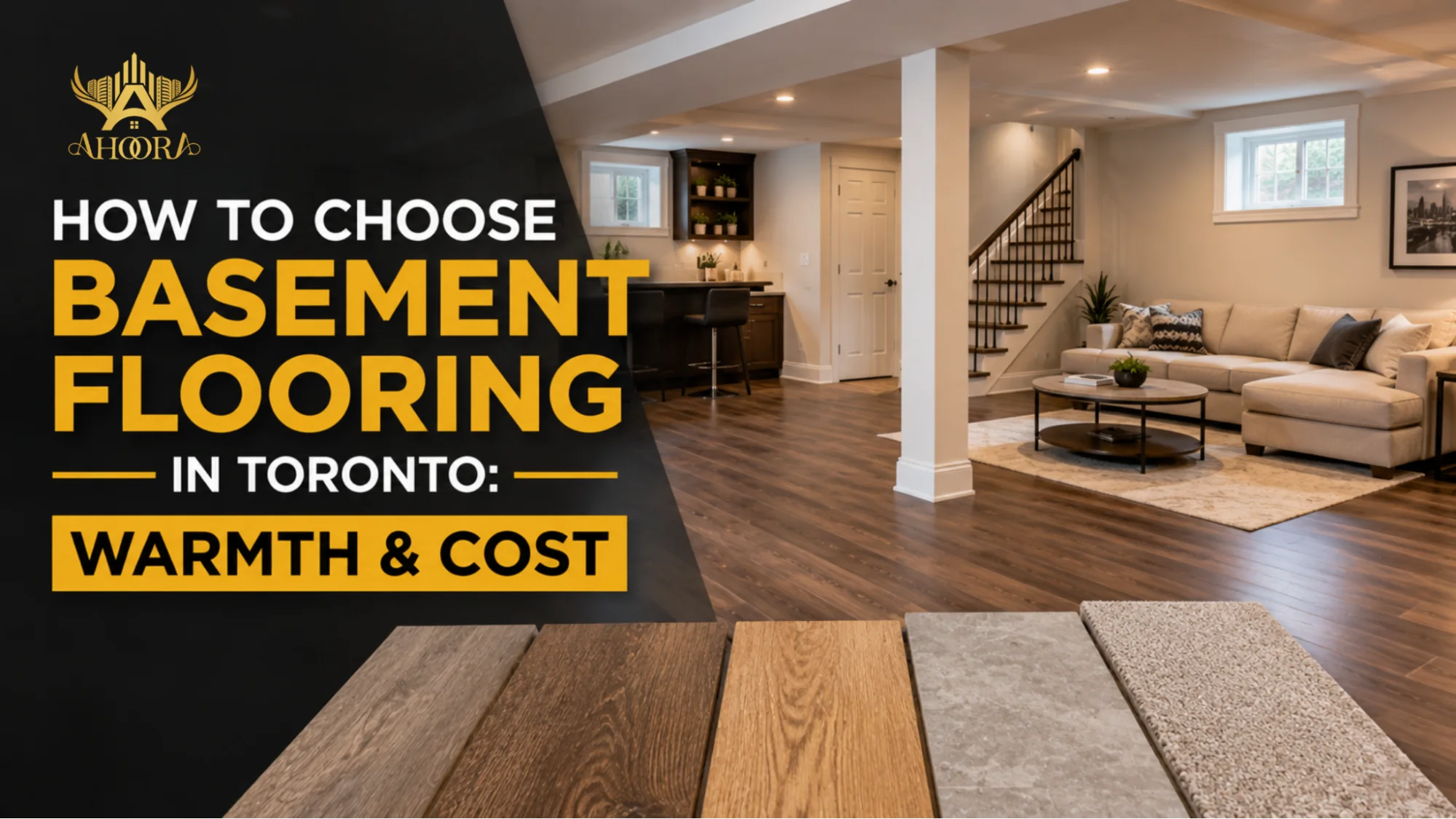
A basement floor can look fantastic in a showroom and still fail within a few winters. Cold concrete, trapped moisture and humidity changes make basement flooring very different from flooring upstairs. Almost all Toronto homeowners only catch the problem after planks start lifting or the floor begins to feel damp and cold.
This guide explains what flooring works best in Toronto basements, what materials hold up over time and what mistakes can lead to expensive repairs later. You’ll also see how moisture, warmth and basement use can affect the right flooring choice for your space.
Why Basement Flooring Requires Different Considerations
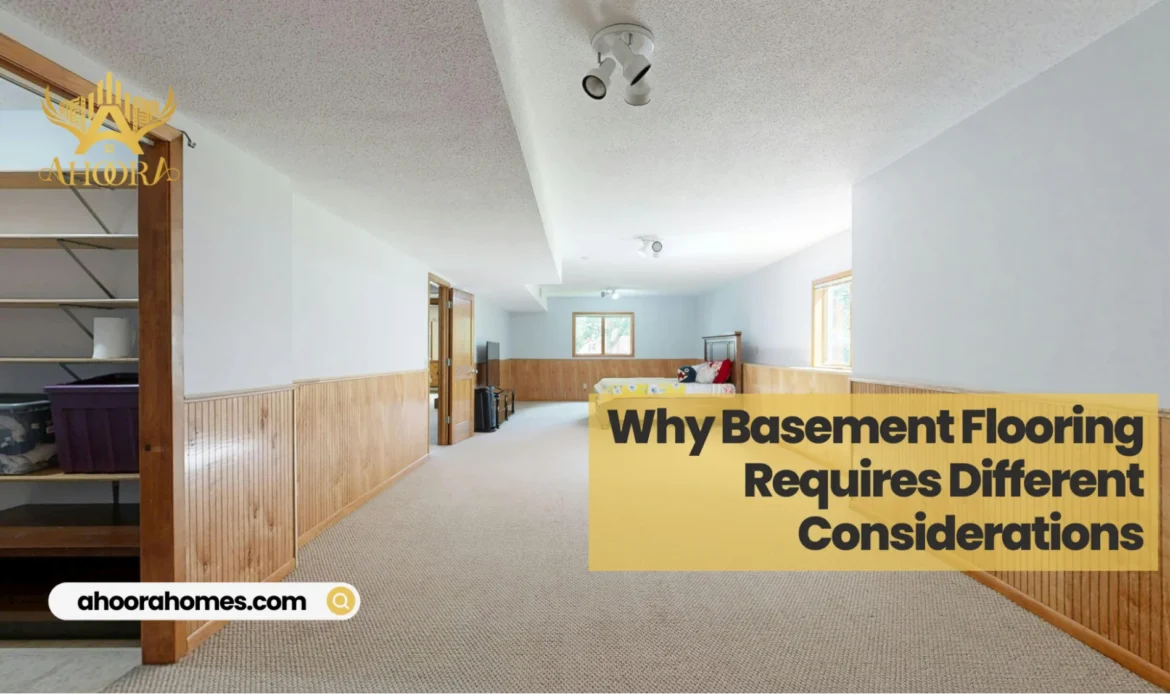
Basements sit directly on concrete slabs and concrete naturally holds moisture. Even in finished homes, small amounts of moisture can move through the slab during humid summers or spring thaw periods in Toronto.
Temperature is another challenge. Almost all older homes in areas like North York and East York have colder basement floors because insulation standards were different when the homes were built. Some flooring materials become uncomfortable or unstable in these conditions.
Unlike upper floors, basements also deal with limited airflow and higher humidity. That is why basement flooring needs to handle moisture, temperature changes and daily wear at the same time.
What to Consider Before Choosing Basement Flooring

Moisture Level
Before installing flooring, the basement should be checked for moisture problems. A damp concrete slab can damage flooring slowly over time, even when there are no visible leaks.
All contractors in Toronto use calcium chloride moisture tests before installing floating floors or engineered products. This helps identify hidden moisture inside the concrete.
Warmth and Comfort
Concrete floors stay cold during winter, especially in older Toronto basements. Some materials, like tile, transfer cold temperatures more easily than vinyl or cork flooring.
Insulated underlayment can make a noticeable difference. Products with higher R-values help reduce heat loss and improve comfort underfoot.
How the Space Will Be Used
A rental basement needs different flooring than a home gym or family room. High-traffic spaces usually benefit from scratch-resistant and waterproof materials that are easier to maintain.
| Basement Use | Flooring That Works Well |
| Rental unit | Luxury vinyl plank |
| Family room | Vinyl or cork |
| Home gym | Rubber flooring |
| Basement office | Laminate or vinyl |
Best Flooring Options for Toronto Basements
Luxury Vinyl Plank (LVP)
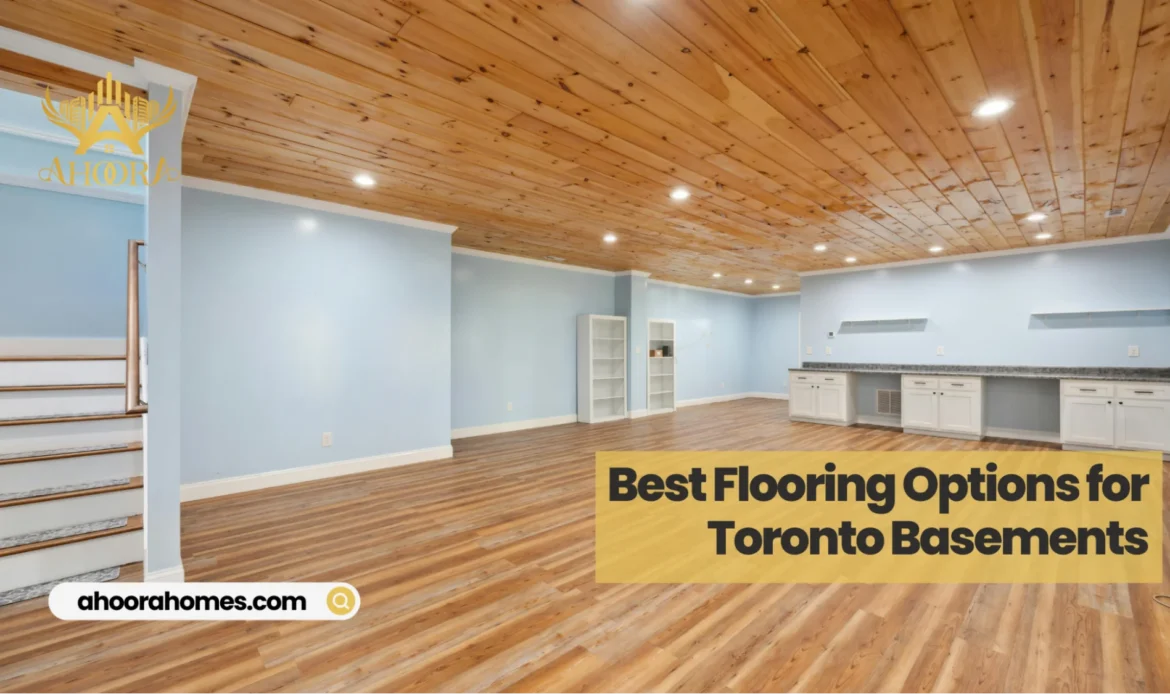
Luxury vinyl plank is one of the most reliable basement flooring options for Toronto homes. It handles moisture well, feels warmer than tile, and works with most floating floor systems.
Click-lock vinyl flooring is especially common in basement renovations because it can expand and contract slightly with seasonal humidity changes. This helps reduce gaps and lifting over time.
Laminate Flooring
Laminate flooring works best in dry basements with stable humidity levels. It usually costs less than engineered hardwood and feels softer underfoot than tile.
The downside is moisture sensitivity. In basement spaces near laundry rooms or exterior foundation walls, laminate can swell if water reaches the core material.
Tile Flooring
Porcelain tile handles moisture extremely well and lasts for almost all years. It is always used in basement bathrooms, laundry spaces, and walkout basements.
The main drawback is comfort. Tiles can feel very cold over concrete unless radiant floor heating is installed underneath.
Engineered Hardwood
Engineered hardwood gives basements a more natural and high-end appearance. It performs better than solid hardwood because the layered construction is more stable in changing humidity.
Still, it is usually better for low-moisture basements. In older Toronto homes with recurring dampness, vinyl always performs better long term.
| Flooring Type | Moisture Resistance | Comfort | Typical Lifespan |
| Luxury vinyl plank | High | Medium to high | 15–25 years |
| Laminate | Medium | Medium | 10–15 years |
| Tile | High | Low | 20+ years |
| Engineered hardwood | Medium | High | 15–25 years |
Which Basement Flooring Is Best for Moisture Resistance?

Moisture-resistant flooring helps prevent problems like mold, lifting planks, and swollen floorboards. This matters even more in Toronto basements where humidity levels rise during summer months.
Waterproof vinyl flooring and porcelain tile are usually the safest choices for basements with higher moisture risk. Both materials hold up well against damp concrete and small water spills.
| Flooring Type | Waterproof? | Good for Damp Basements? |
|—|—|
| Luxury vinyl plank | Yes | Yes |
| Tile | Yes | Yes |
| Laminate | No | Sometimes |
| Engineered hardwood | No | Limited use |
Some homeowners confuse waterproof flooring with water-resistant flooring. Waterproof products block moisture completely, while water-resistant flooring only handles small amounts of moisture for short periods.
A vapour barrier also matters. In almost all Toronto basement remodels, installers place a moisture barrier between the concrete slab and the flooring system to reduce long-term damage.
Which Flooring Feels Warmest in a Basement?
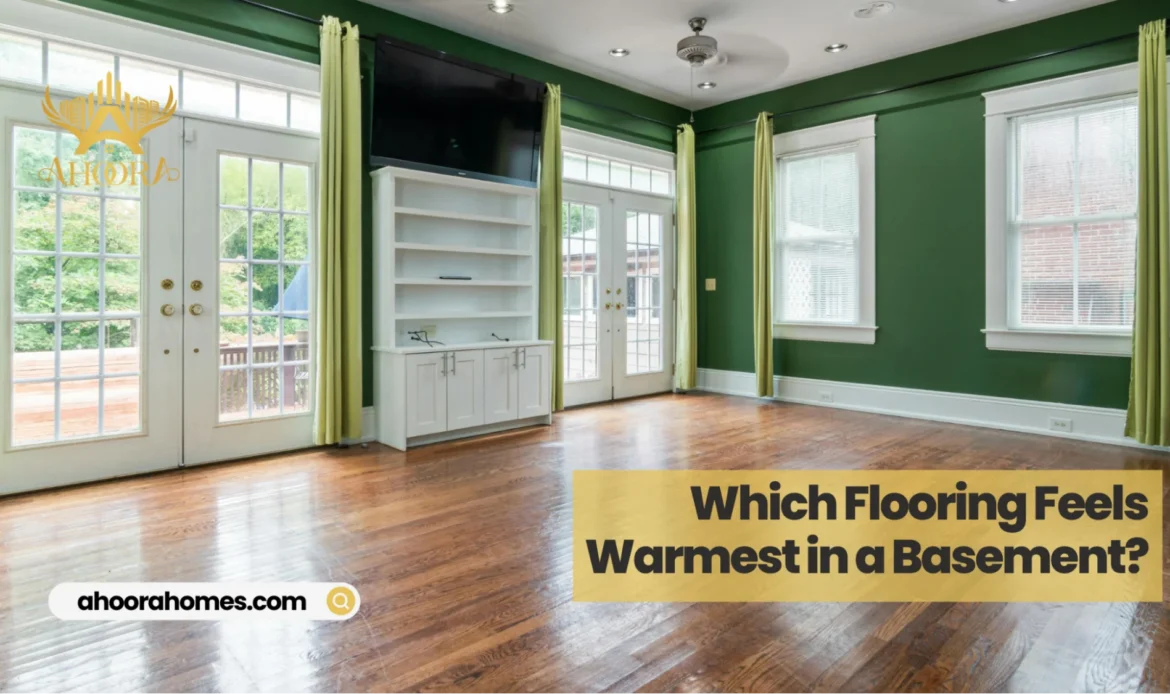
Basement comfort depends on both the flooring material and what sits underneath it. Some floors naturally hold warmth better, while others transfer cold directly from the concrete slab.
Cork flooring and vinyl flooring usually feel warmer than tile. Carpet tiles also add warmth, though they may not be the best choice for damp basements.
Flooring Materials That Feel Warmer
| Flooring Type | Warmth Level |
| Cork flooring | High |
| Luxury vinyl plank | Medium to high |
| Carpet tiles | High |
| Laminate | Medium |
| Tile | Low |
Underlayment also affects comfort. Insulated subfloor panels, such as Dricore systems, create a barrier between the concrete and finished flooring. Almost all Toronto basement renovations use these systems to reduce cold floors during winter.
Radiant floor heating can also help in colder basements. It is more common under tile flooring because tile transfers heat efficiently.
Basement Flooring Costs in Toronto
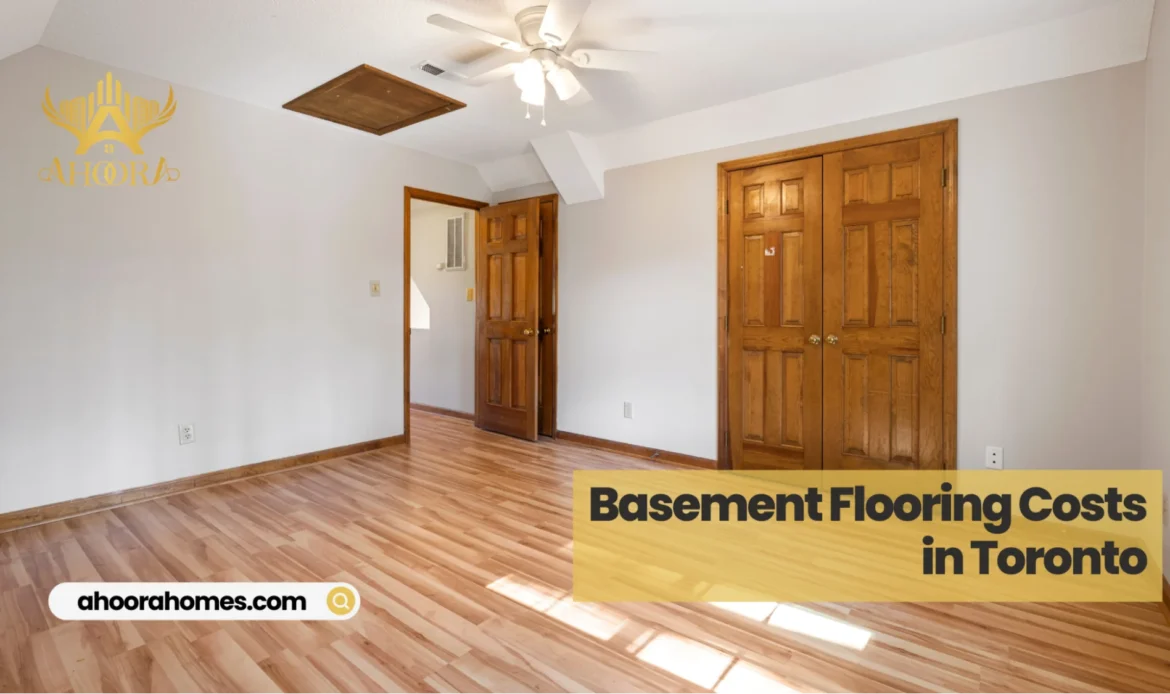
Flooring costs depend on the material, basement condition, and installation method. Older Toronto basements may need floor leveling or moisture preparation before flooring can be installed properly.
| Flooring Type | Average Installed Cost Per Sq. Ft. |
| Luxury vinyl plank | $5–$9 |
| Laminate flooring | $4–$8 |
| Tile flooring | $8–$15 |
| Engineered hardwood | $10–$18 |
Subfloor preparation can increase the total price. Uneven concrete, moisture damage, or old adhesive removal always adds labour costs during basement renovations.
Vinyl flooring usually gives the best balance between cost, durability, and moisture resistance. Tile lasts longer, but installation costs are typically higher.
Best Basement Flooring Based on How You Use the Space
Basement Rental Apartments
Rental basements need flooring that can handle heavy foot traffic and regular cleaning. Waterproof vinyl flooring is always preferred because it resists scratches and moisture better than laminate.
Almost all Toronto basement apartments also have separate entrances near ground level. Snow, salt, and wet shoes can damage moisture-sensitive flooring over time.
Family Rooms and Entertainment Spaces
Family basements usually benefit from warmer and quieter flooring materials. Cork flooring and luxury vinyl plank help reduce noise while feeling softer underfoot.
Home Gyms
Rubber flooring works well in gym spaces because it absorbs impact and protects the concrete floor underneath. Vinyl flooring can also work for lighter workout areas.
Basement Offices
Basement offices always use laminate or vinyl flooring because they are comfortable and easy to maintain. Lighter floor colours can also help darker basement rooms feel brighter.
Common Basement Flooring Mistakes to Avoid
One of the biggest mistakes is installing flooring before checking the concrete for moisture. Hidden moisture problems always appear months later after flooring starts lifting or separating.
Another common issue is installing solid hardwood in basements. Even well-finished hardwood can react badly to humidity and concrete moisture over time.
| Common Mistake | Possible Result |
| Skipping moisture testing | Mold or floor damage |
| Installing hardwood on concrete | Warping and gaps |
| Using cheap underlayment | Cold and noisy floors |
| Ignoring uneven slabs | Cracked or loose flooring |
Poor subfloor preparation also causes problems. In older Toronto basements, uneven concrete slabs are common and may need leveling before click-lock flooring is installed.
Expert Tips for Choosing Long-Lasting Basement Flooring

Almost all contractors recommend floating floor systems for basements because they allow slight movement during seasonal humidity changes. This helps reduce stress on the flooring over time.
For colder Toronto basements, insulated underlayment always improves comfort more than homeowners expect. Thin underlayment may save money upfront but usually feels colder during winter.
Luxury vinyl plank tends to perform better than laminate in basement rental units because the core material handles moisture more effectively. Laminate flooring can still work well, but usually in drier basement conditions.
Before installation, concrete should always be checked for moisture and levelness. Small preparation issues always become larger flooring problems later.
Frequently Asked Questions About Basement Flooring
-
What is the best flooring for a basement?
Luxury vinyl plank is one of the best flooring options for basements because it handles moisture well, feels comfortable underfoot, and lasts in high-traffic spaces. It is especially popular in Toronto basements where concrete floors stay cold and humidity levels change throughout the year.
-
Is vinyl flooring better than laminate for basements?
Vinyl flooring usually performs better in basements because it is more resistant to moisture and humidity changes. In older Toronto homes, laminate flooring may swell near exterior foundation walls if moisture enters the basement during spring thaw periods.
-
What flooring feels warmest in a basement?
Cork flooring, carpet tiles, and insulated vinyl flooring always feel warmer than tile over concrete floors. Almost all Toronto homeowners also install insulated underlayment to reduce cold floors during winter months.
-
Can engineered hardwood be installed in a basement?
Yes, engineered hardwood can be installed in basements with stable humidity and low moisture levels. It usually performs better in newer Toronto homes where the basement has proper moisture control and consistent indoor temperatures.
-
Do basement floors need a vapour barrier?
Almost all basement floors benefit from a vapour barrier because it helps reduce moisture movement from the concrete slab into the flooring system. This becomes even more helpful in older Toronto basements that experience damp concrete during humid summers or wet spring seasons.